
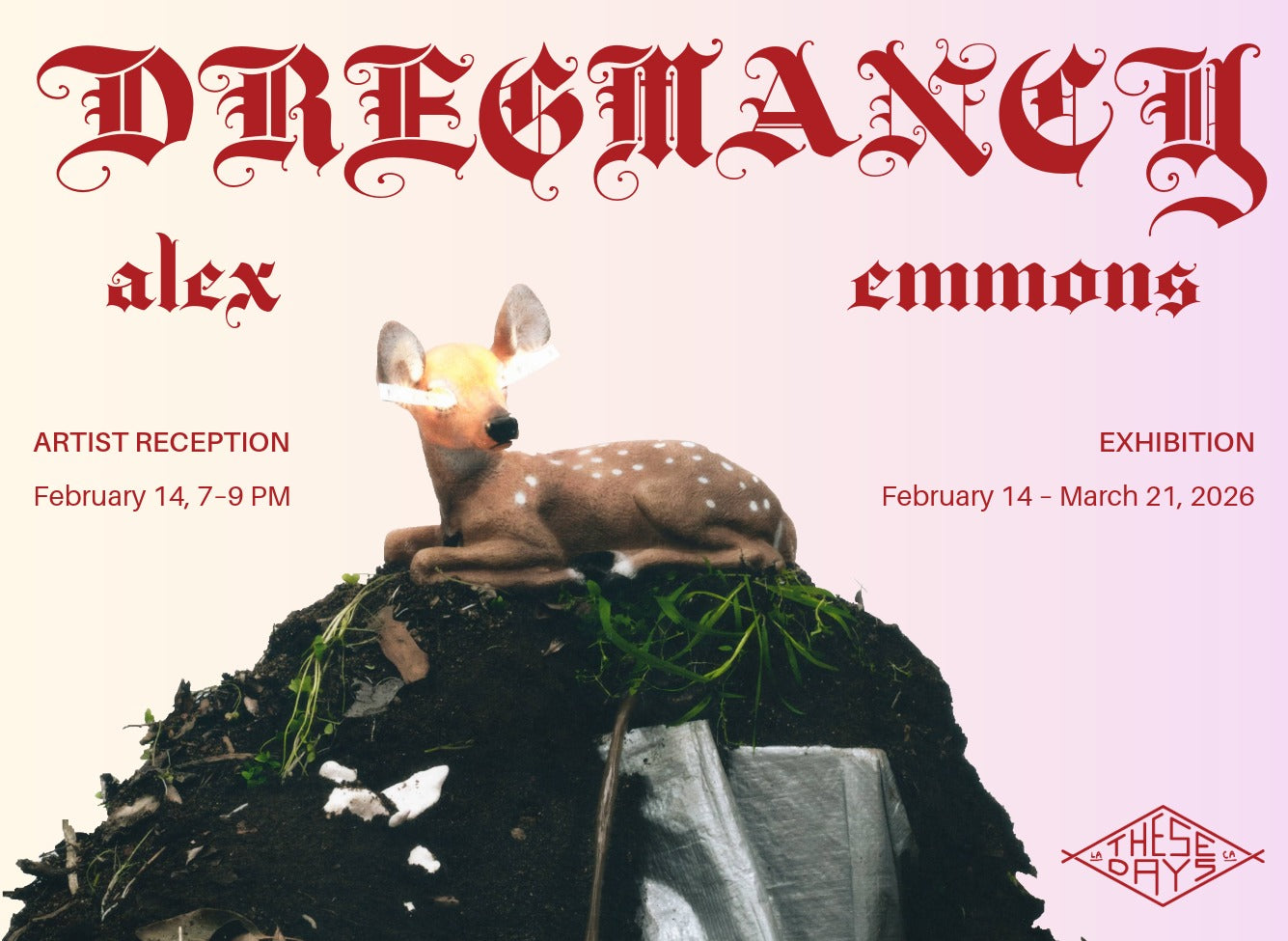
ALEX EMMONS | Dregmancy
ALEX EMMONS | DREGMANCY
ARTISTS’ RECEPTION: February 14, 7–9 PM
EXHIBITION: February 14–March 21, 2026
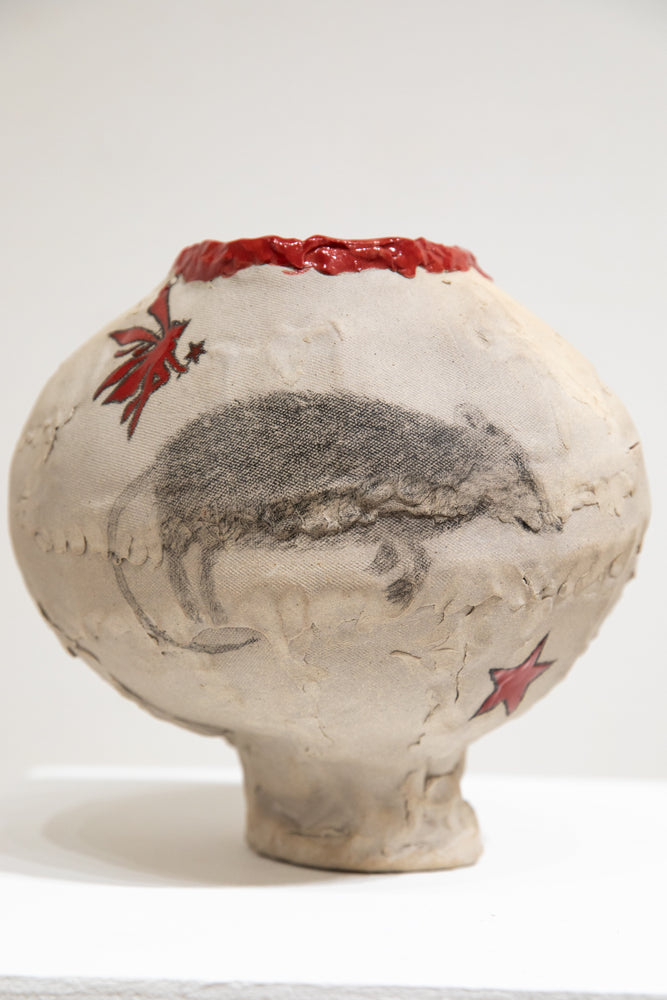
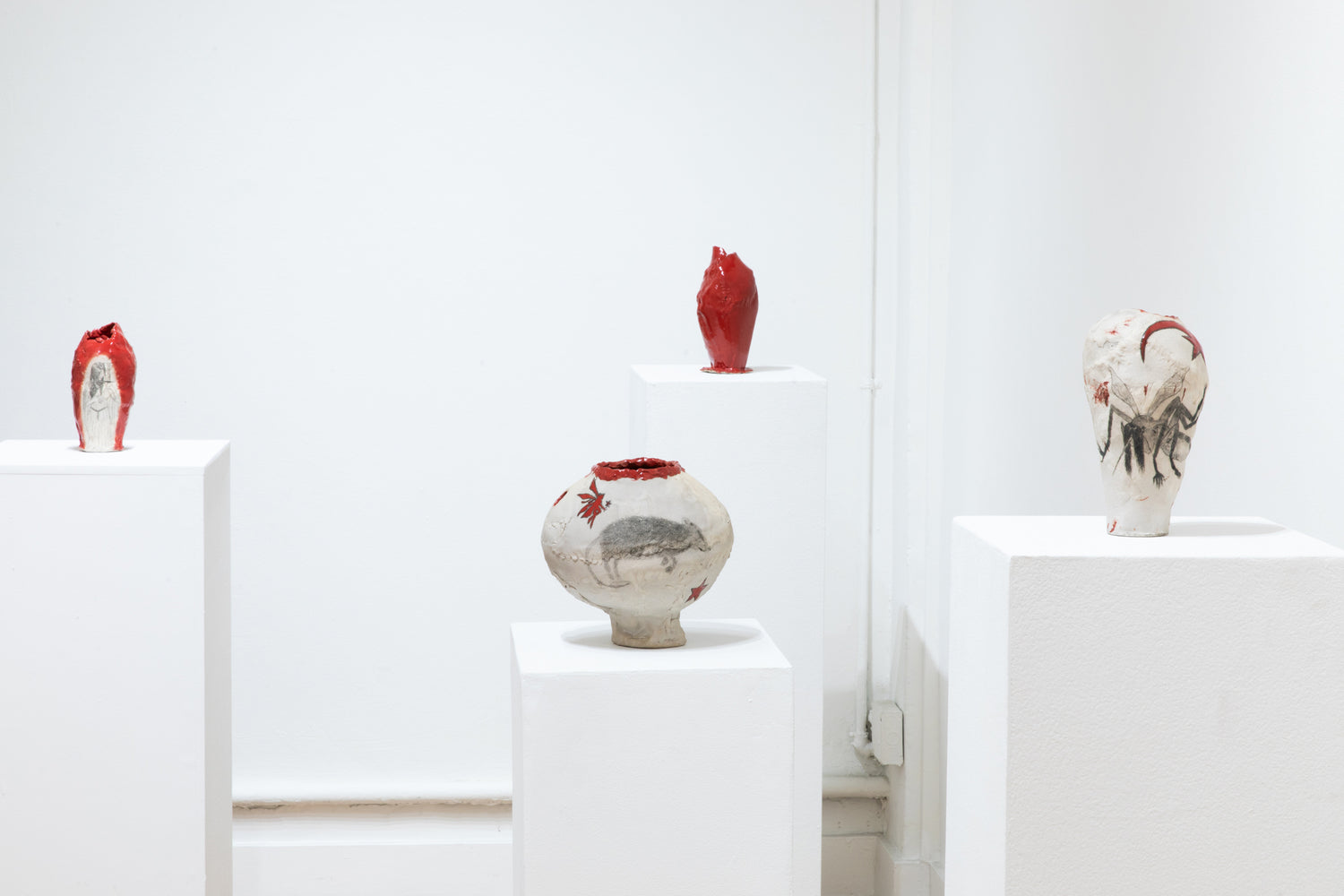
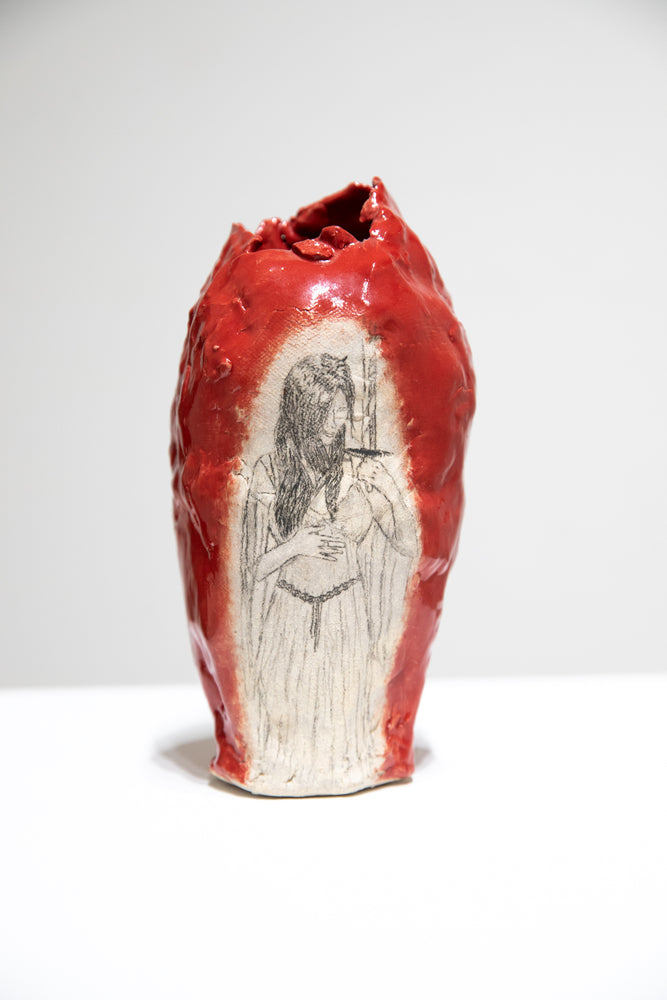
Delving into the core conceptual and aesthetic components of Alex Emmons’ practice, DREGMANCY is an amalgam of the real and the synthesized; a compounding of memory, fantasy, archaeology, spirituality, and prehistory. Inspired by childhood memories of digging for burnt trash in the empty lot next to his house, Emmons cherished the objects as artifacts and imbued the debris with magical qualities.
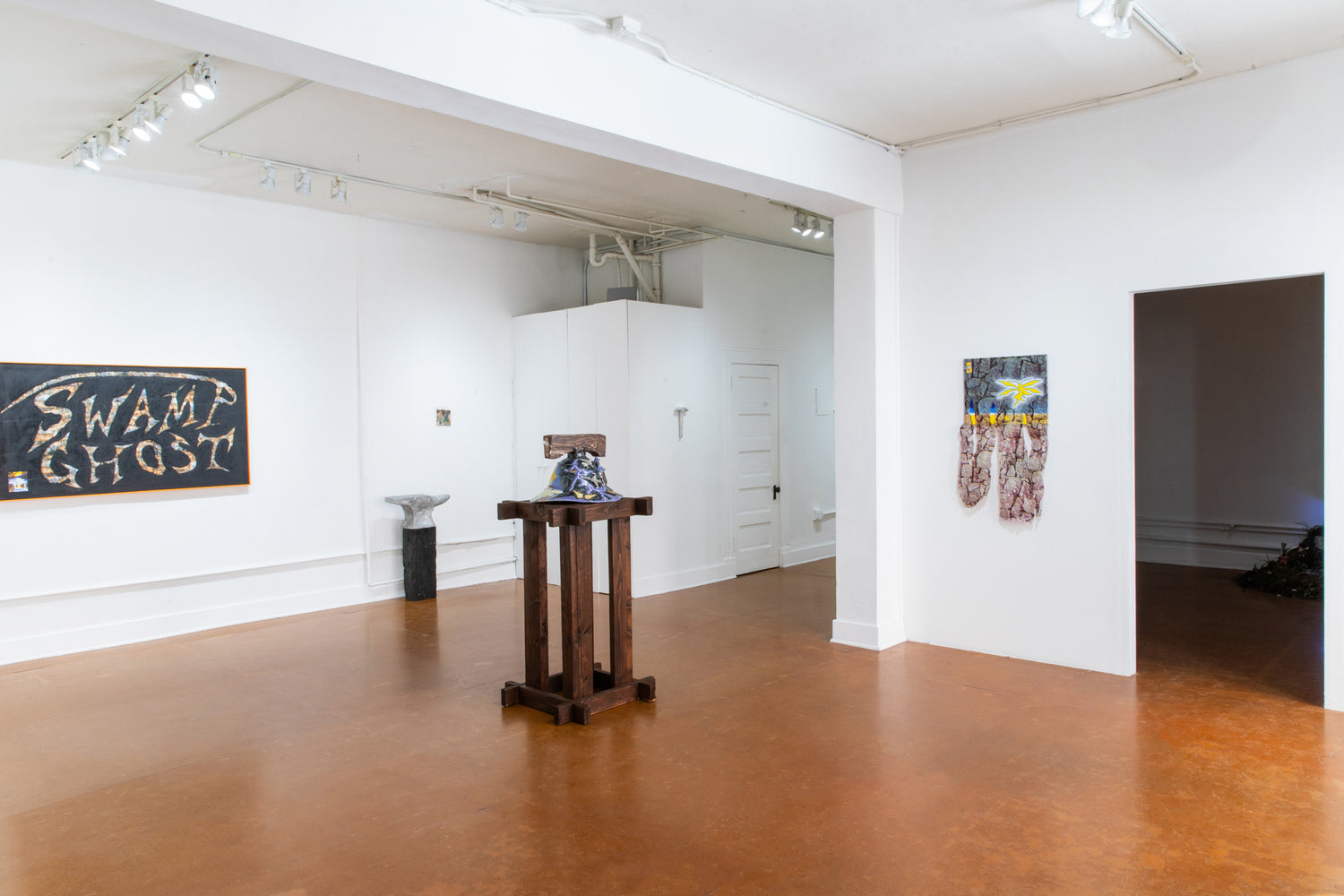
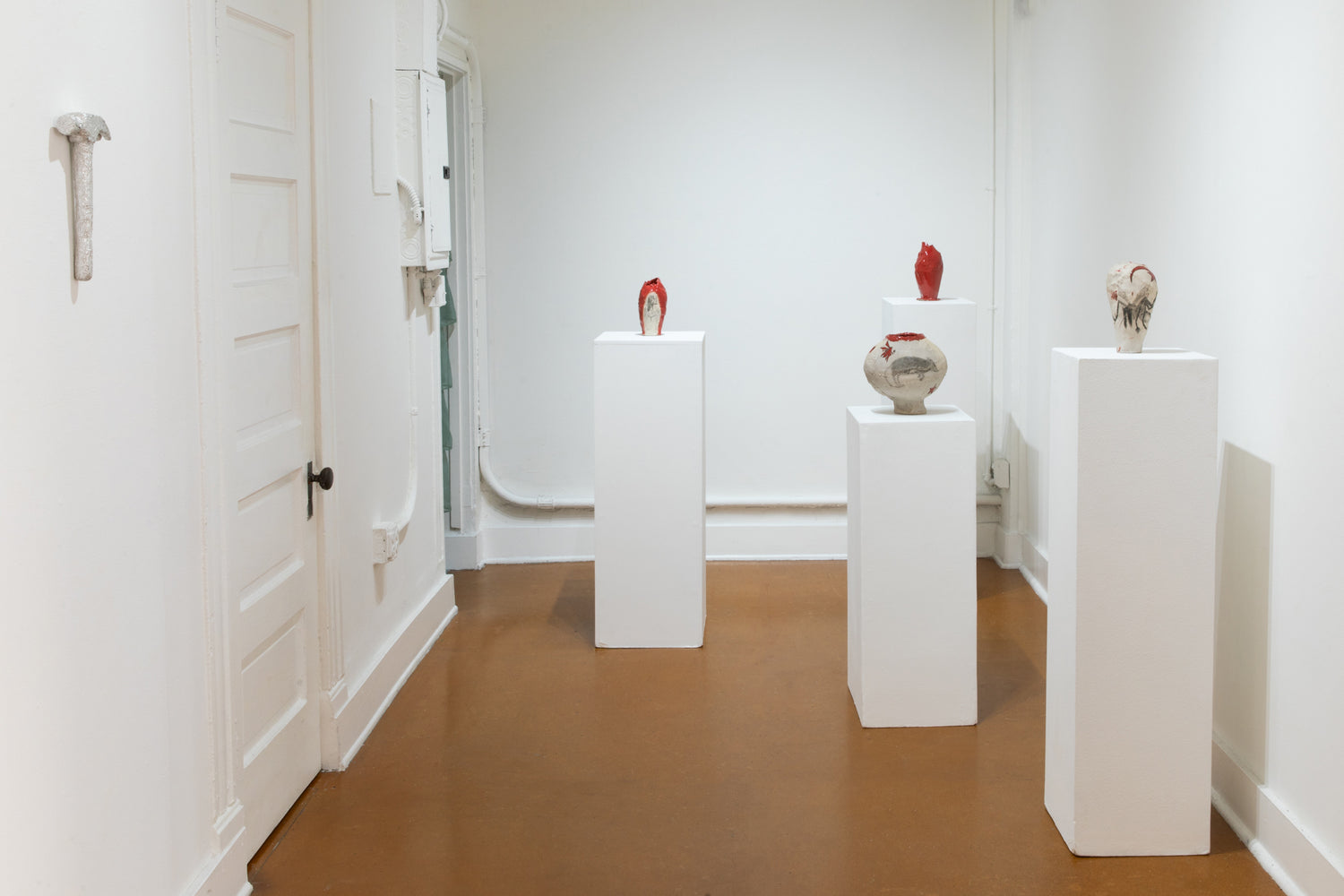
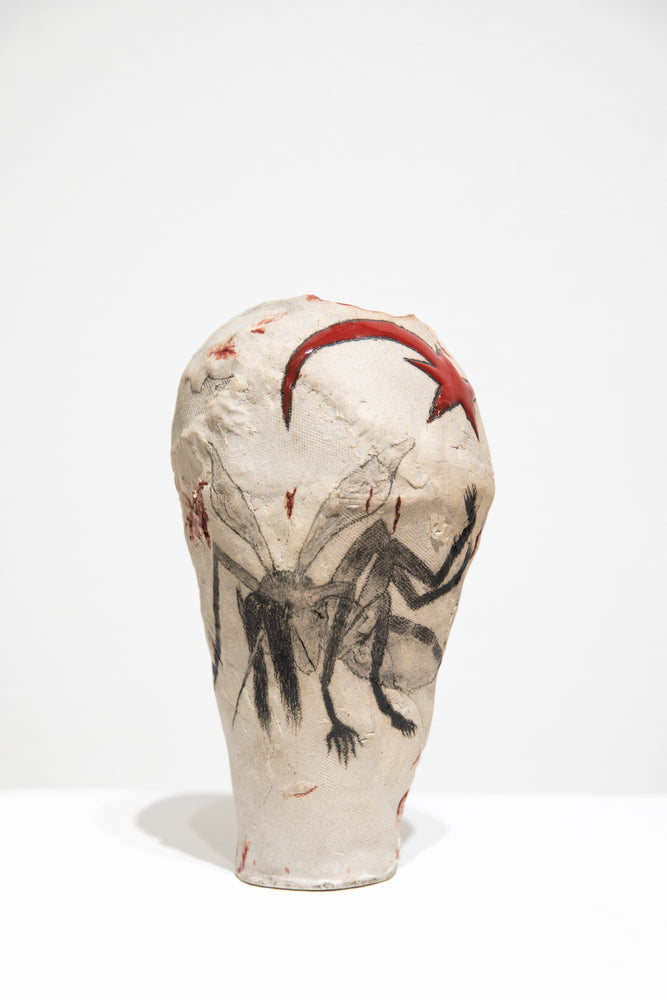
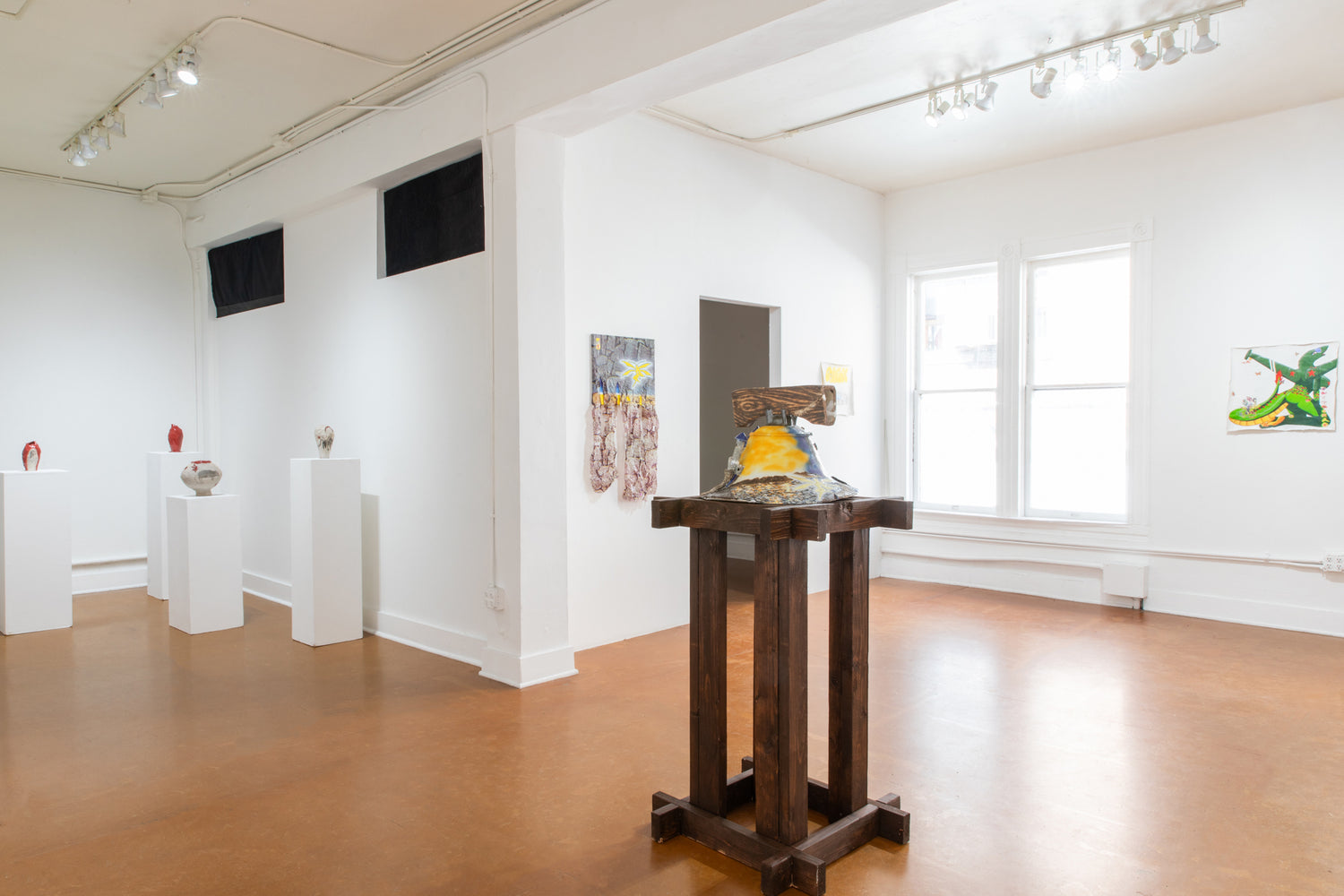
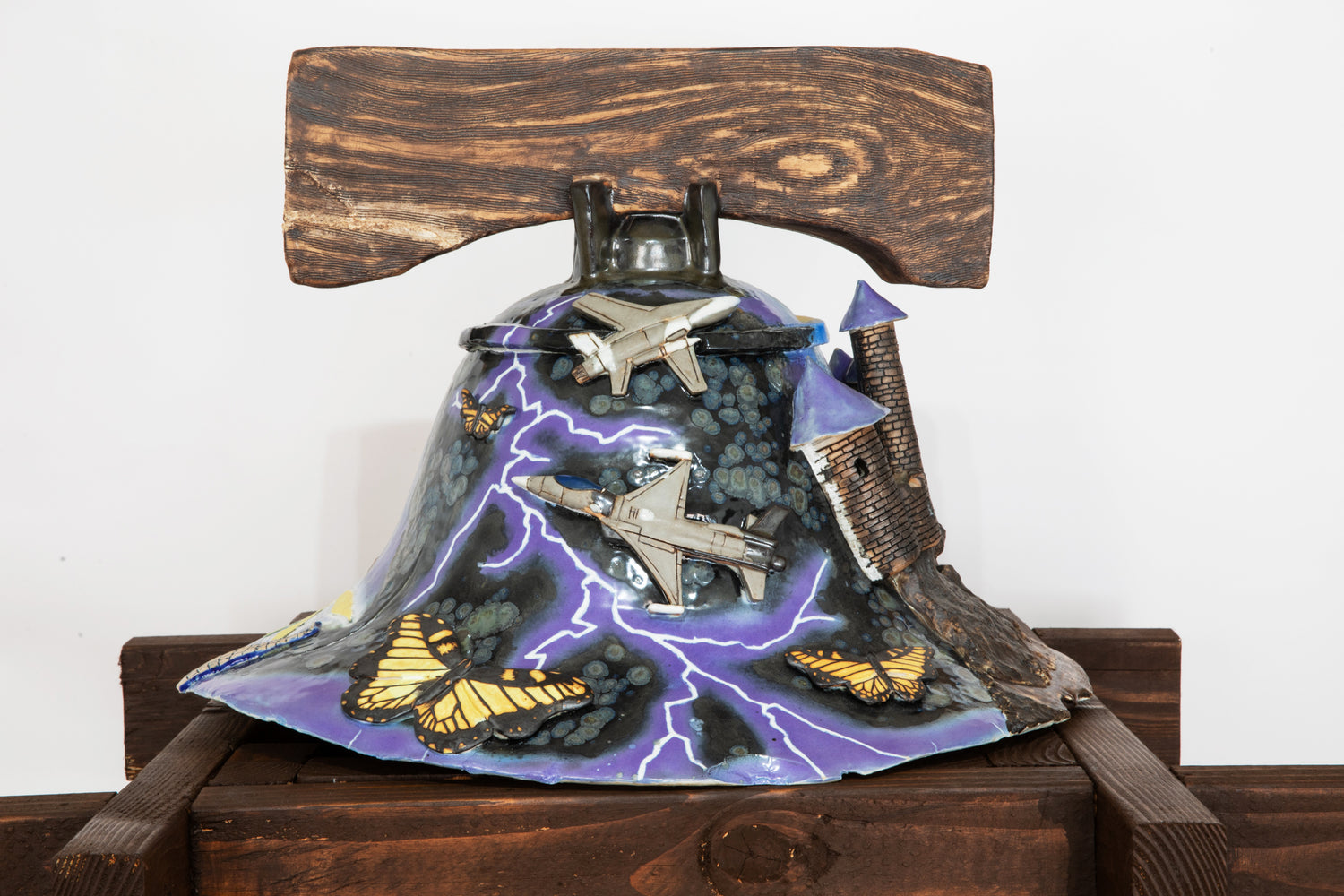
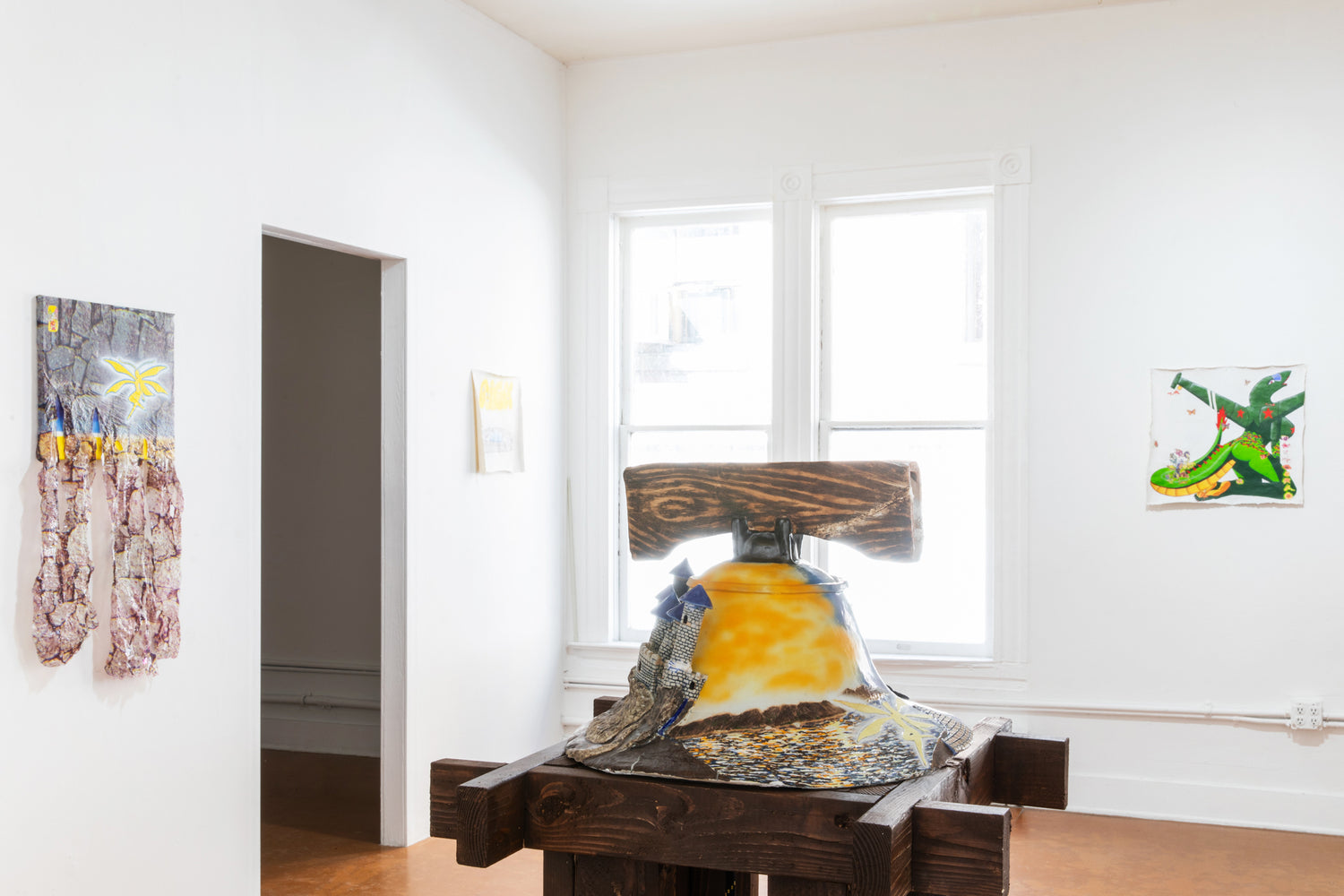
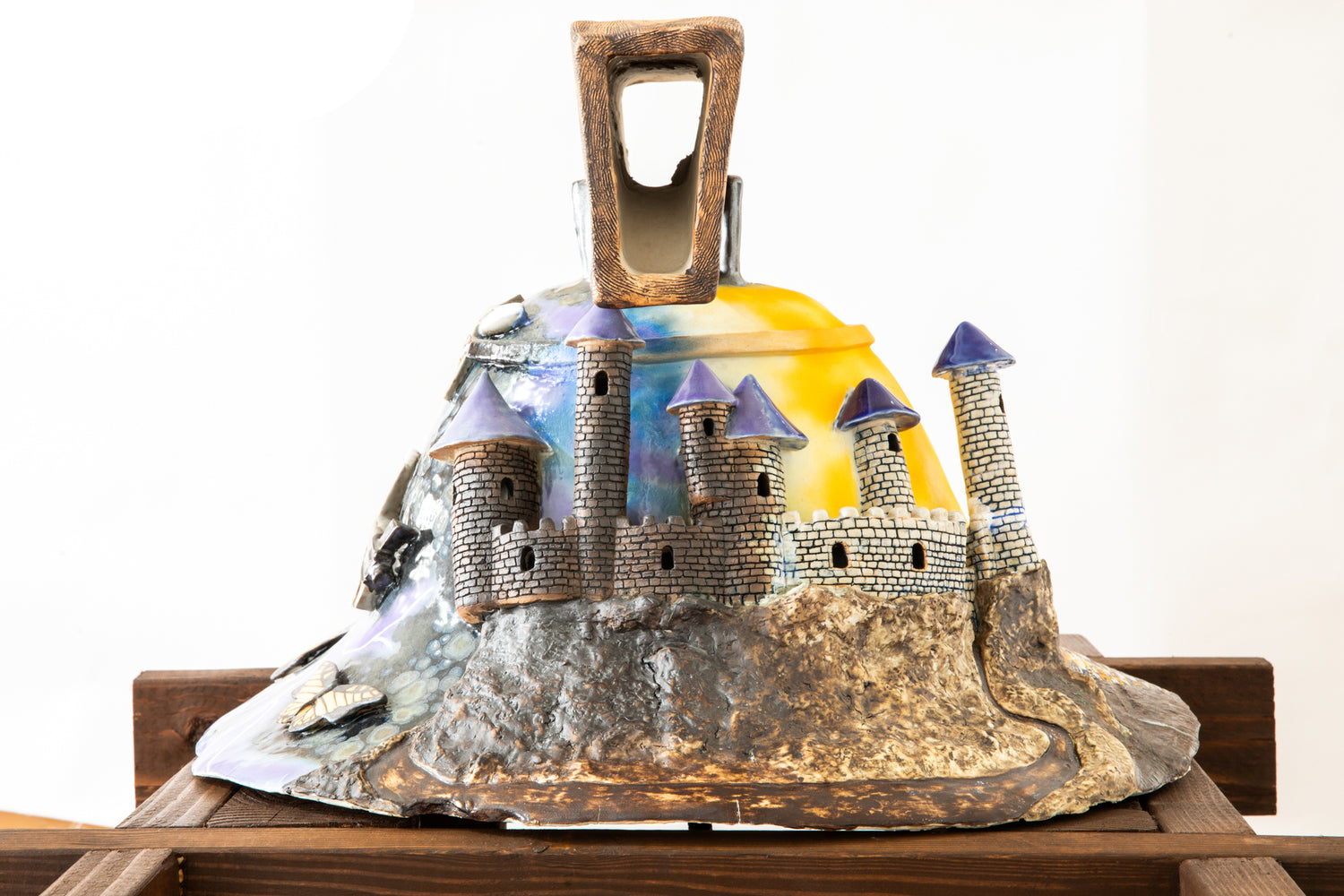
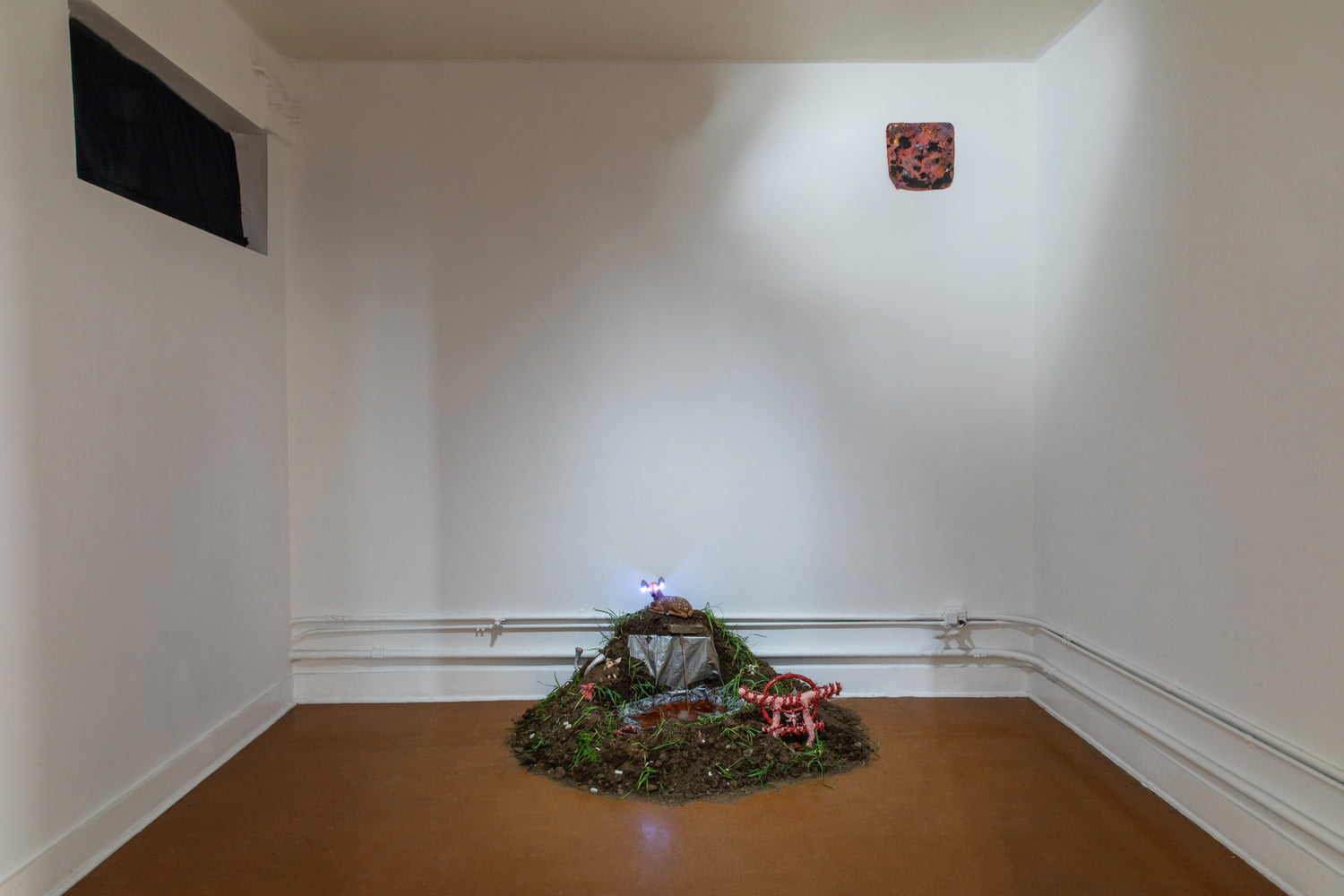
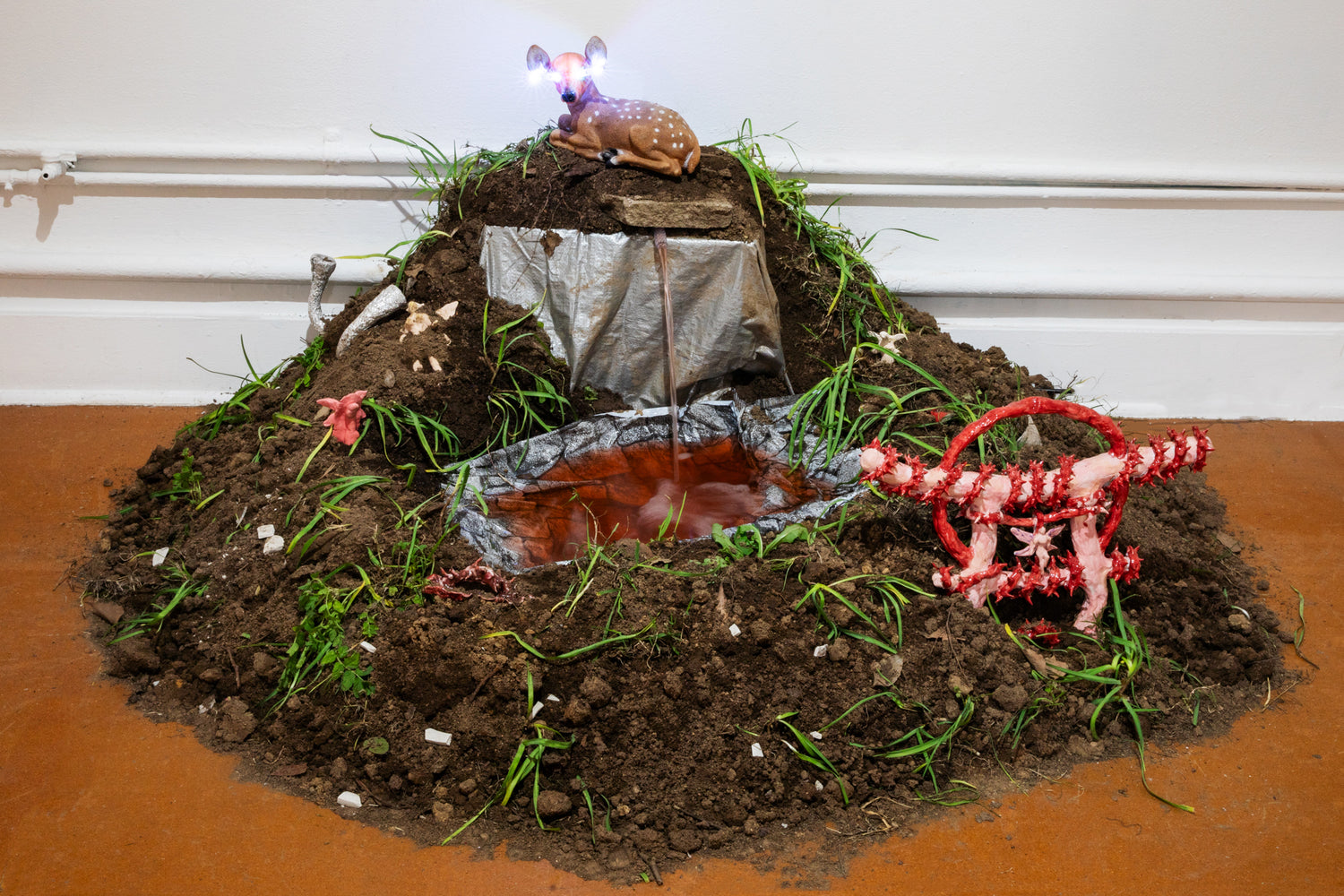
Reframing the discarded and ephemeral is an essential component echoed throughout his work. Alterations to the gallery space replicate this imaginary landscape, making it feel primordial and swampy. A place rife with decay and rebirth, on the edge of a dream, where prehistory and the ancient world are contained in a singular space. An Imagined place of broken order where semiotics exist in superpositions, fairies transmute into mosquitoes, and butterflies transform into anthropomorphic airplanes. An intangible order externalized, a trash heap of his own design, a covenant rooted in fantasy, formed by the unseen self.
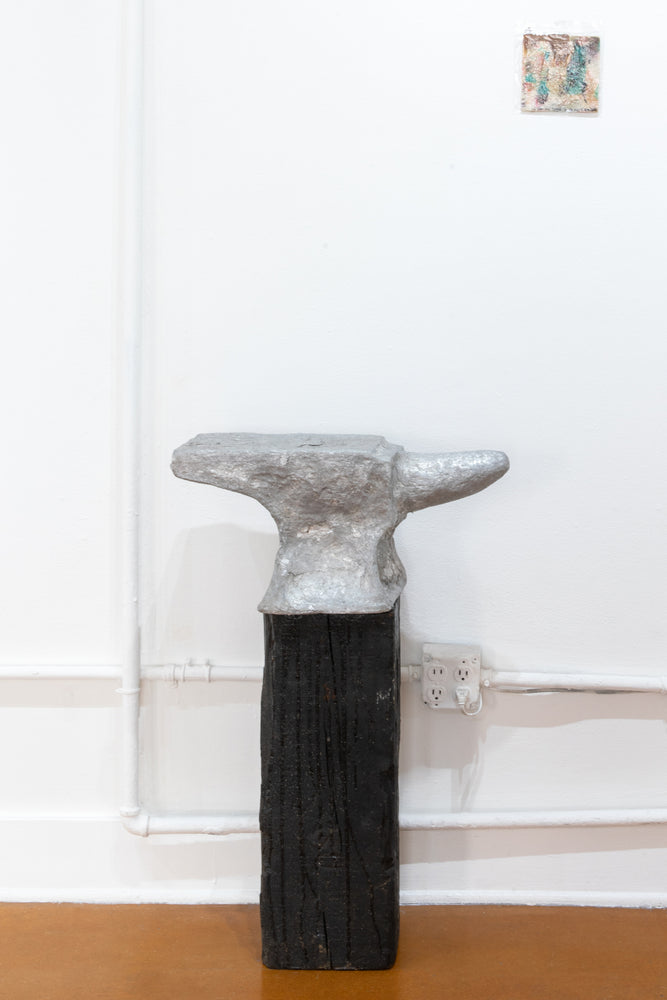
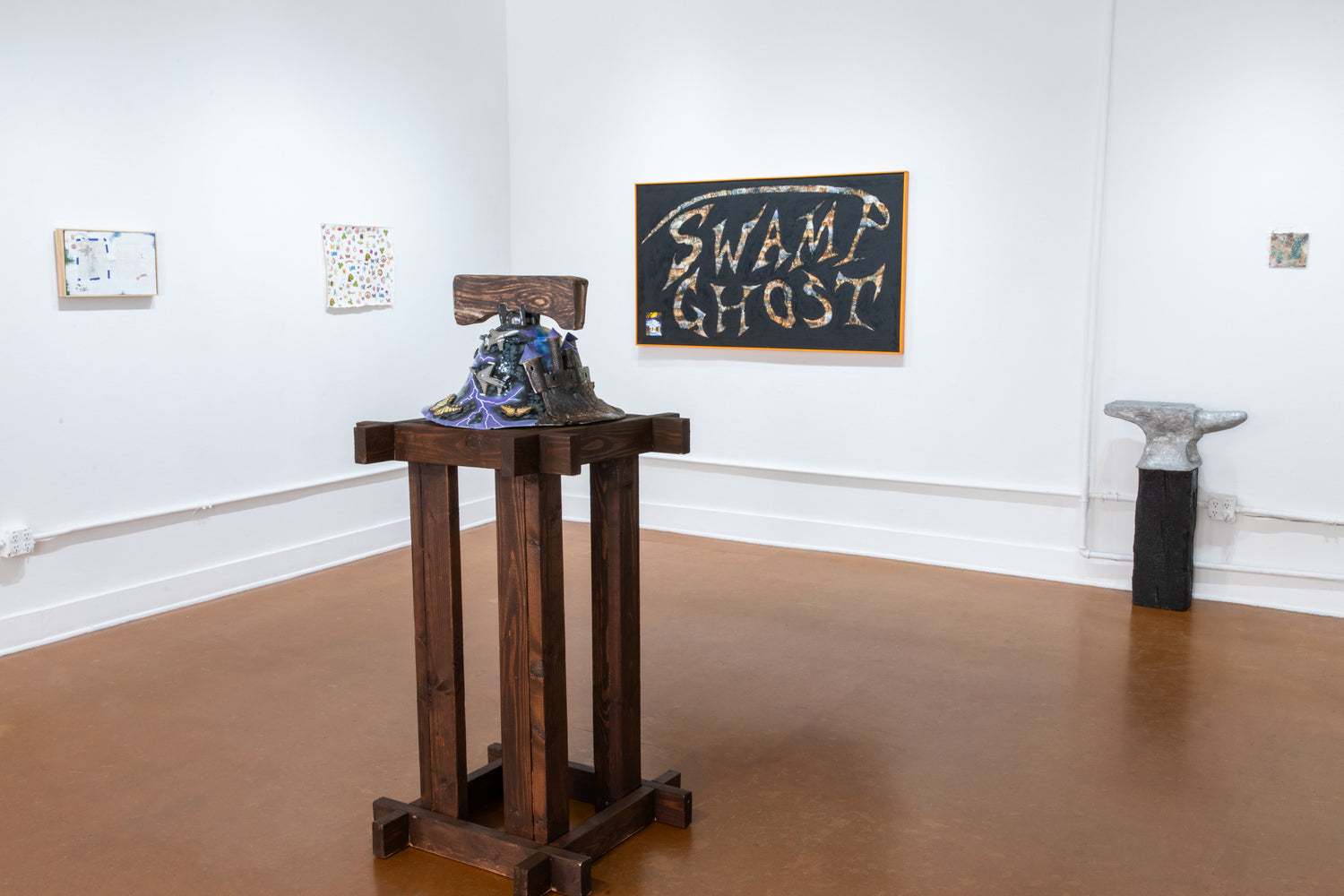
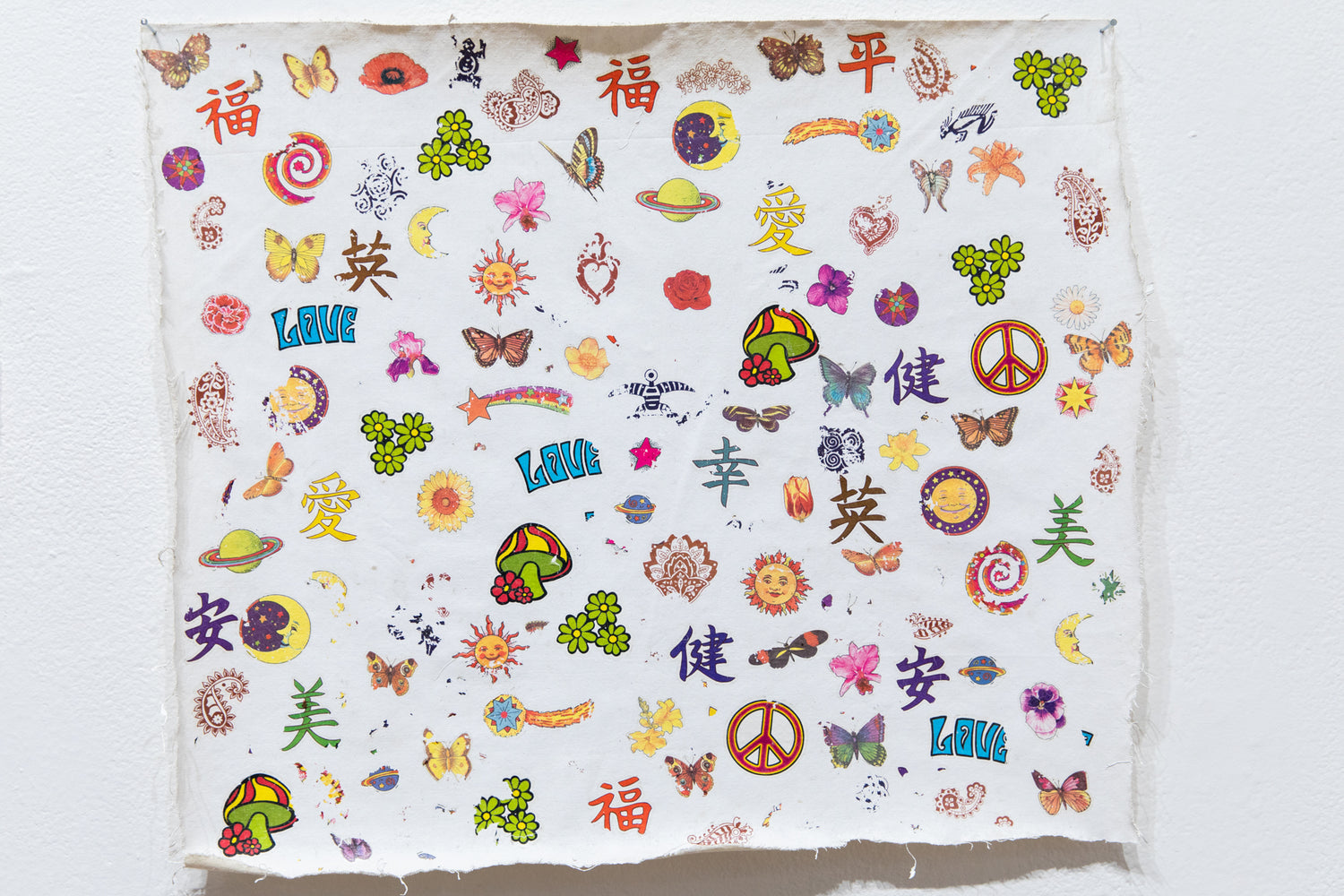
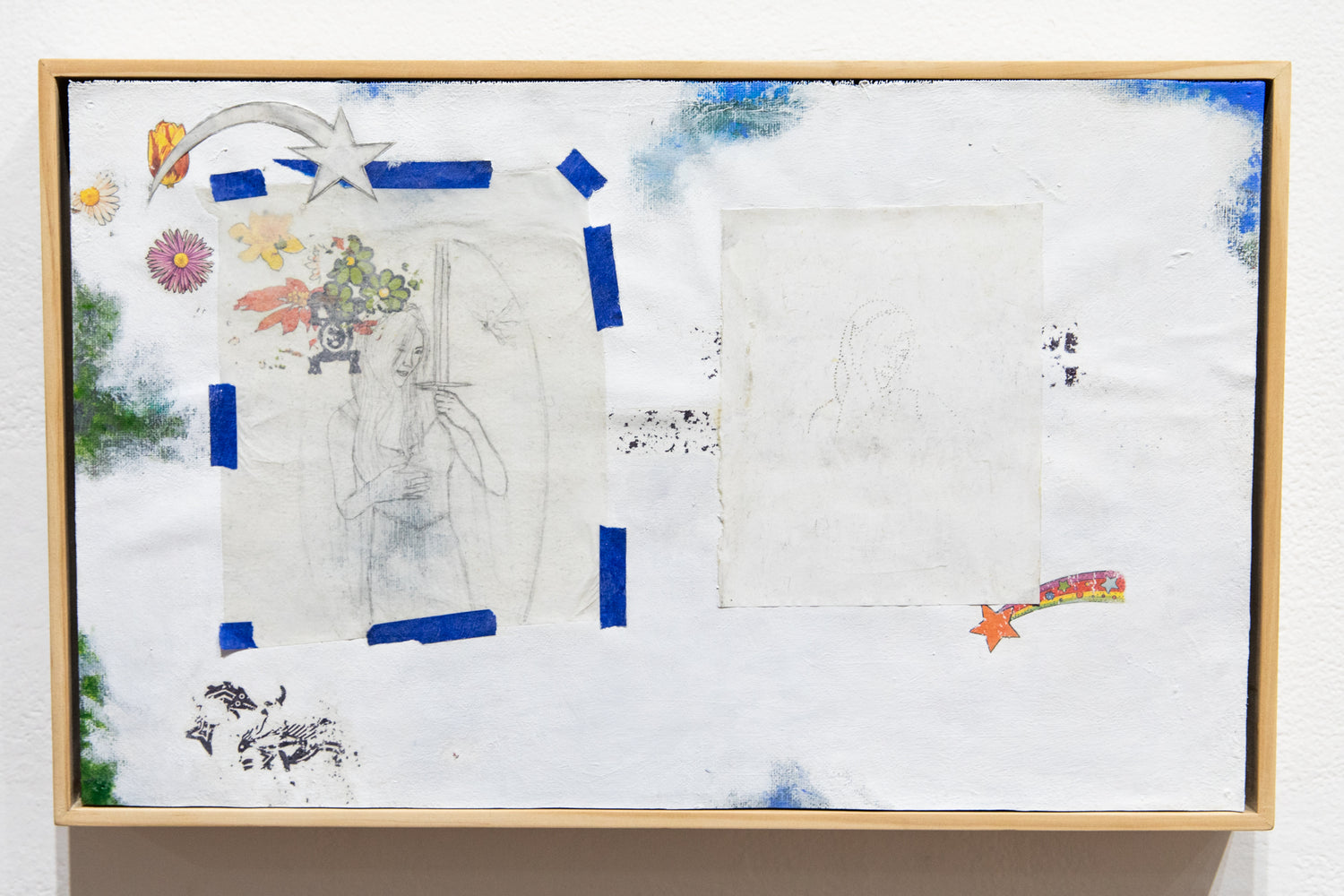
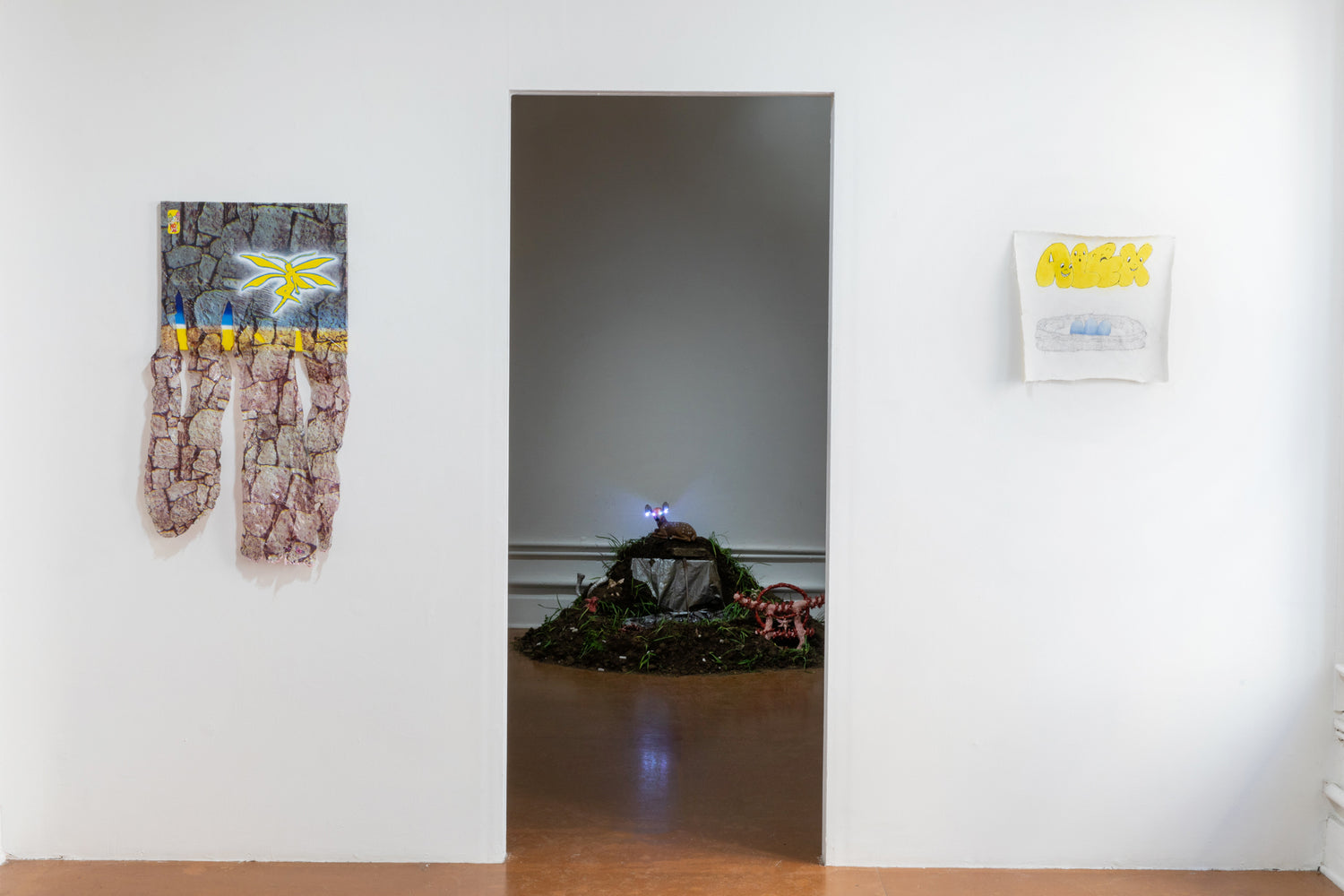
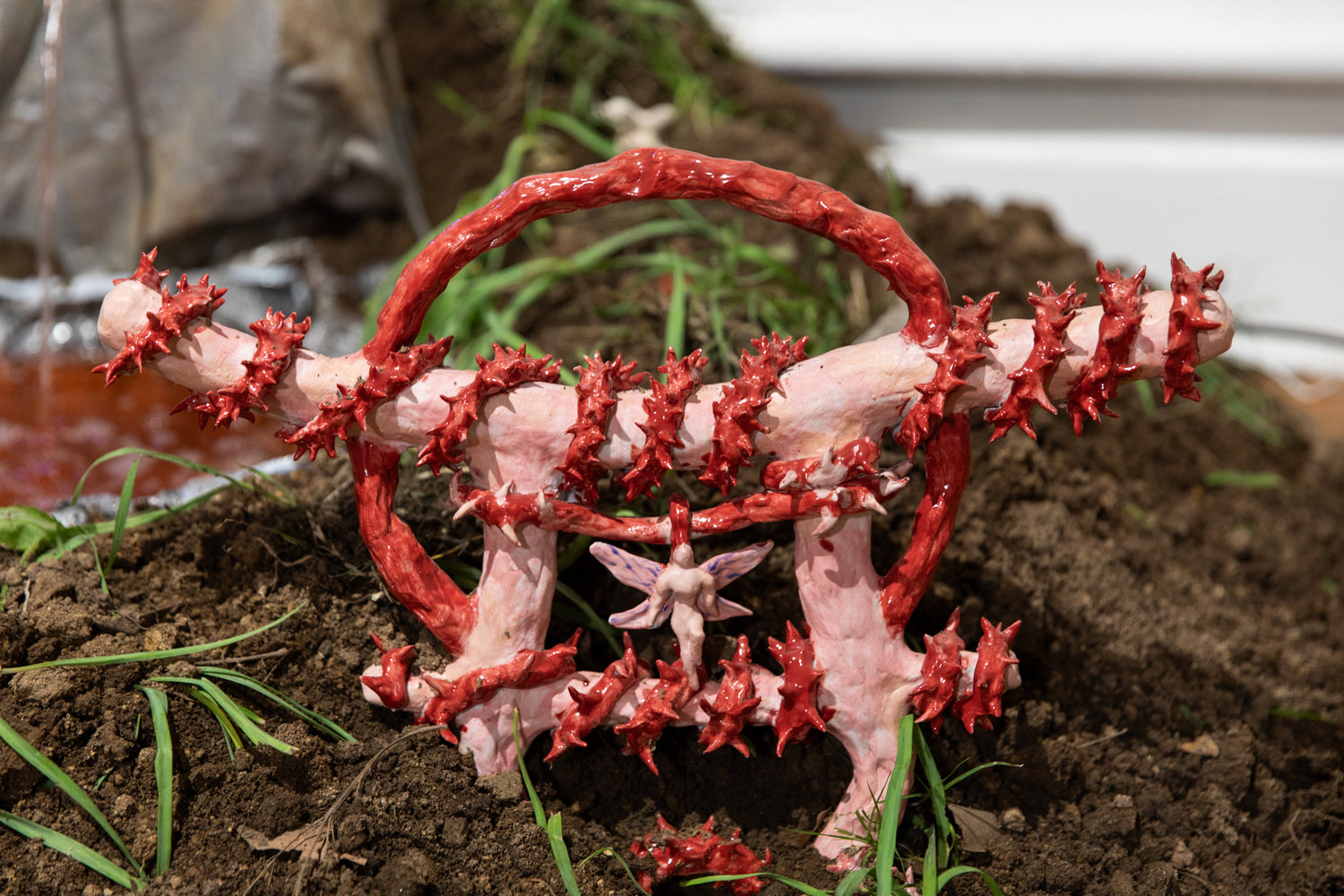
All is stratified like the layers of a trash mound; every element is multi-faceted, holding significance personally, materially, and conceptually. Transmutation is a consistent theme: metal sculptures are made of layered, heated aluminum foil; temporary tattoos and stickers become permanent fixtures; and formally crude vessels hide narrative and technical complexity. The altered nature of images and material lends itself to a multiplicity of being, seemingly oppositional qualities existing simultaneously. The work grapples with questions regarding where the value of an object lies. Exemplified by Emmons’ interest in rags and scraps as valuable objects, the aesthetics of "priceless" historical artifacts are balanced with kitschy imagery that highlights the absurdity of value. The art-consuming public contemplating ancient trash is almost poetic in nature. The tale of humanity is told in trash; why not parallel that in our own personal excavations?
These elements coalesce in "The Orphan of Prague (Puddle)," the bastardised recollection of a film set, taking the form of a burial mound and water feature, functioning as the intersecting point between disparate elements, it is the manifestation of the trash heap, the order of chaos. Filled with discarded ephemera and partly unearthed ceramics, it is both sacrifice and rebirth, suffused with the enchantments of its offerings. A slice of a place outside of time. Degradation balanced with modern aesthetics reflects a world in decline, on the brink of dystopia.
“We are all living in someone's post-apocalypse, and I find solace in that reality. In my trash mound, I seek greater understanding, a self-actualized truth in a world devoid of it. A fantasy draped over reality, to quell the pangs of piercing your firmament, in search of a future we can choose for ourselves.” - A.E.