
SURFACE TENSION | A Photographic Survey of Downtown Los Angeles
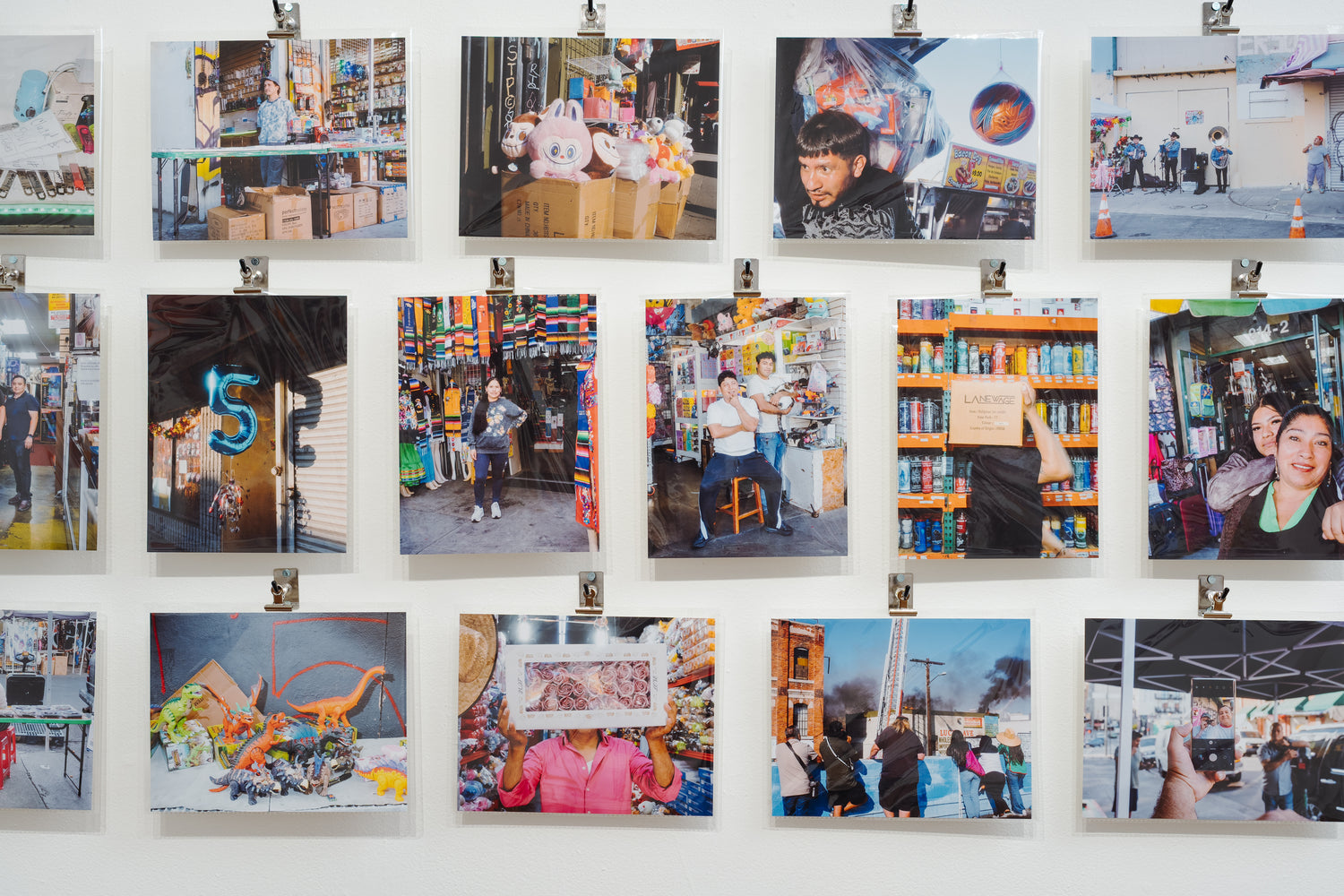
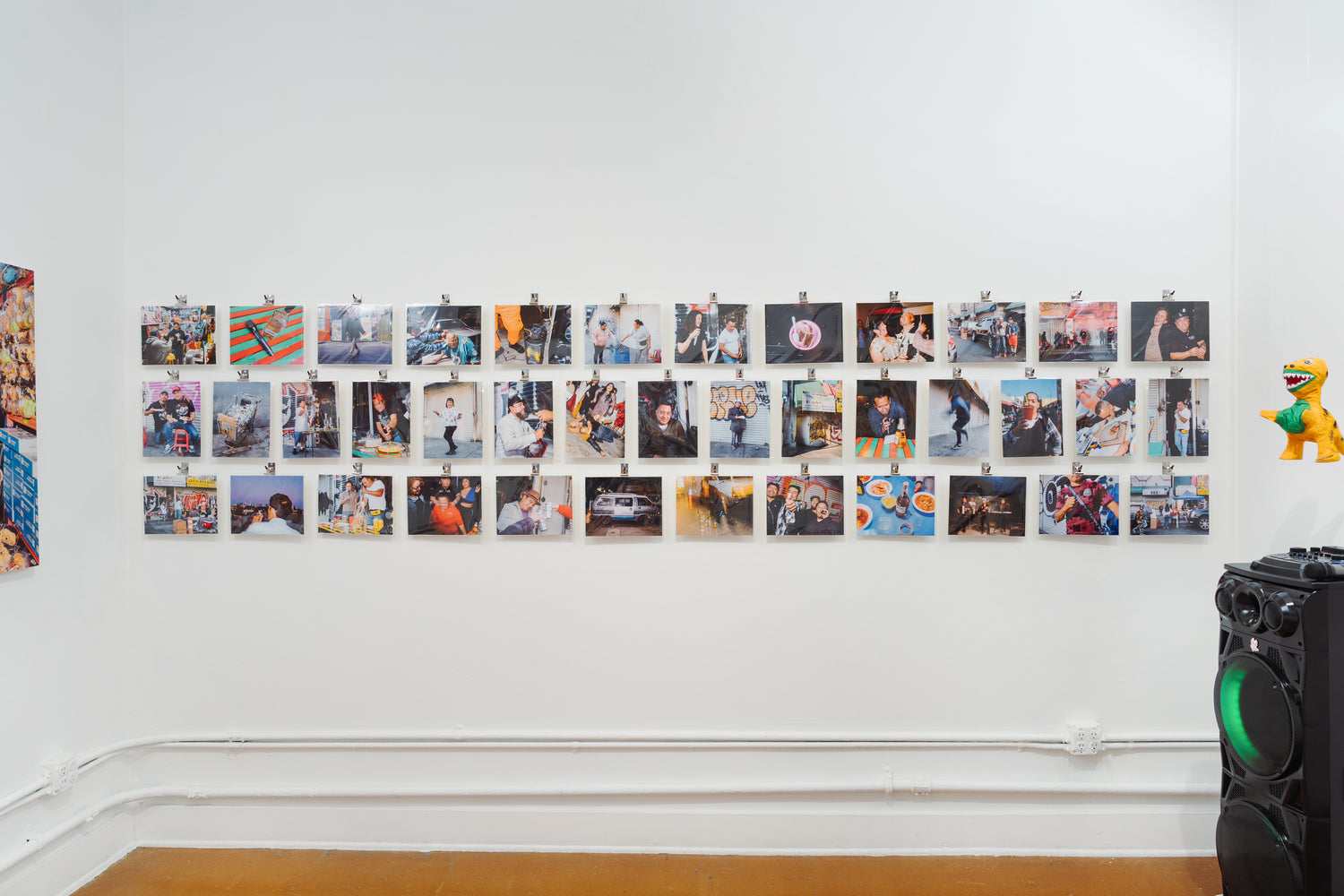
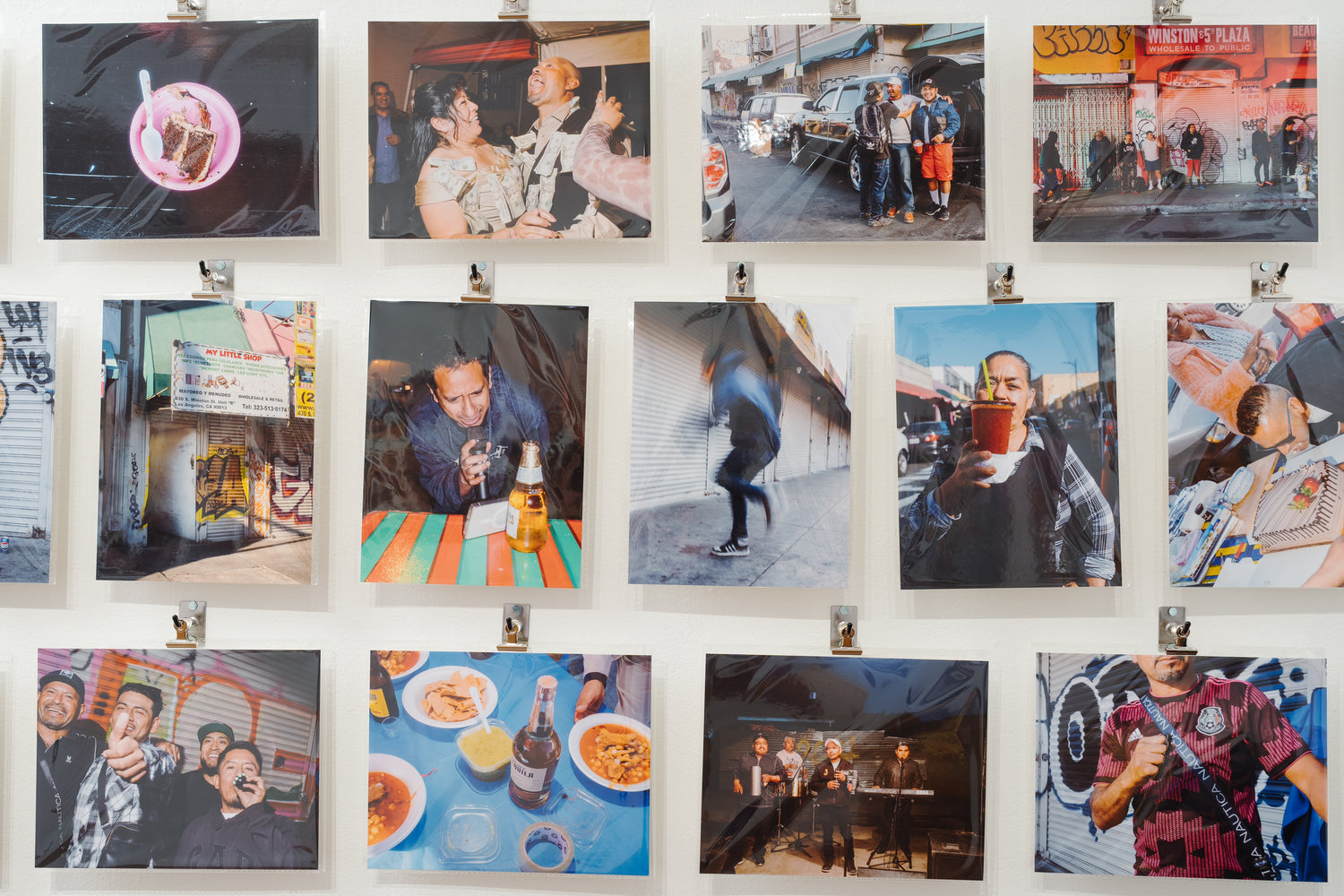
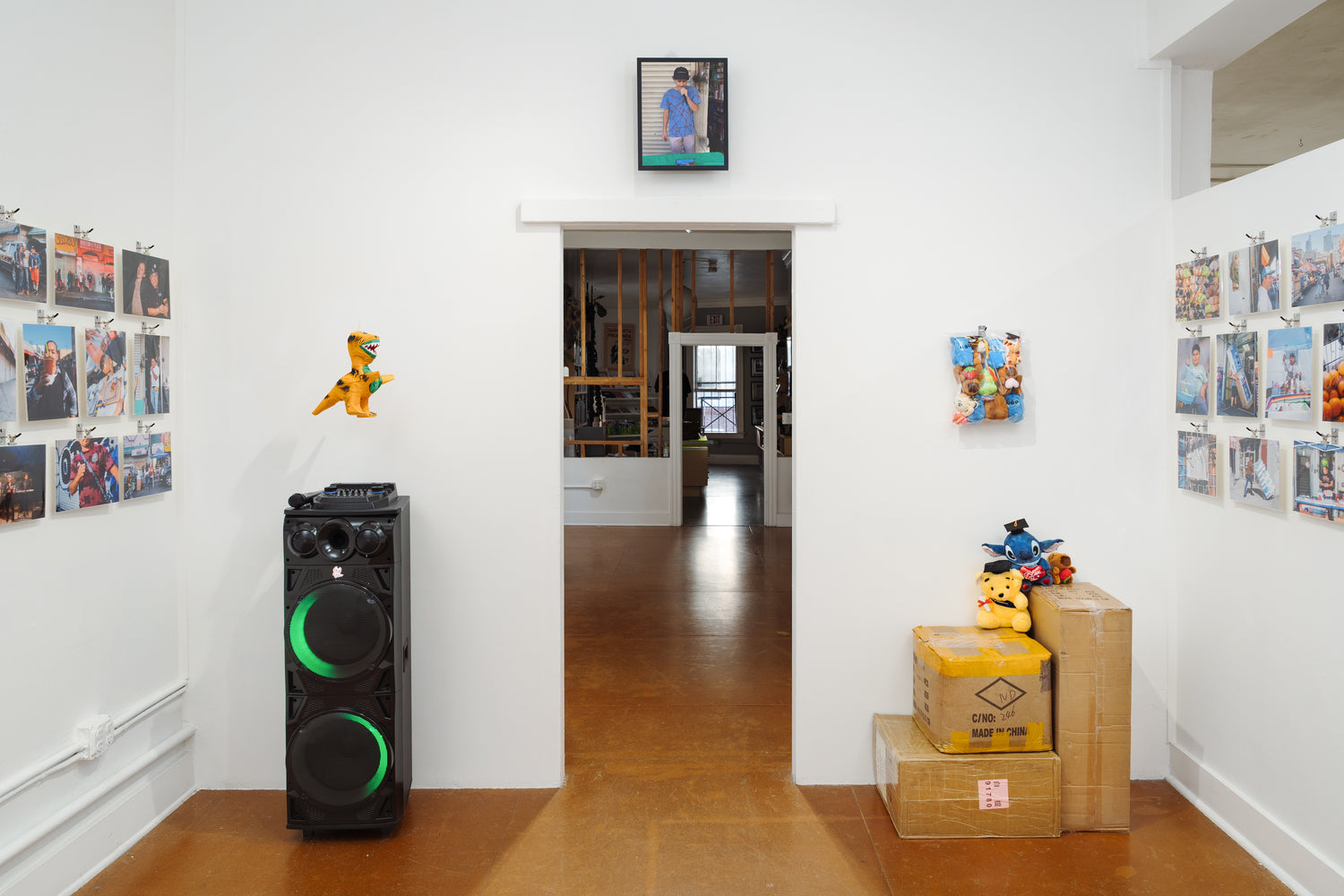
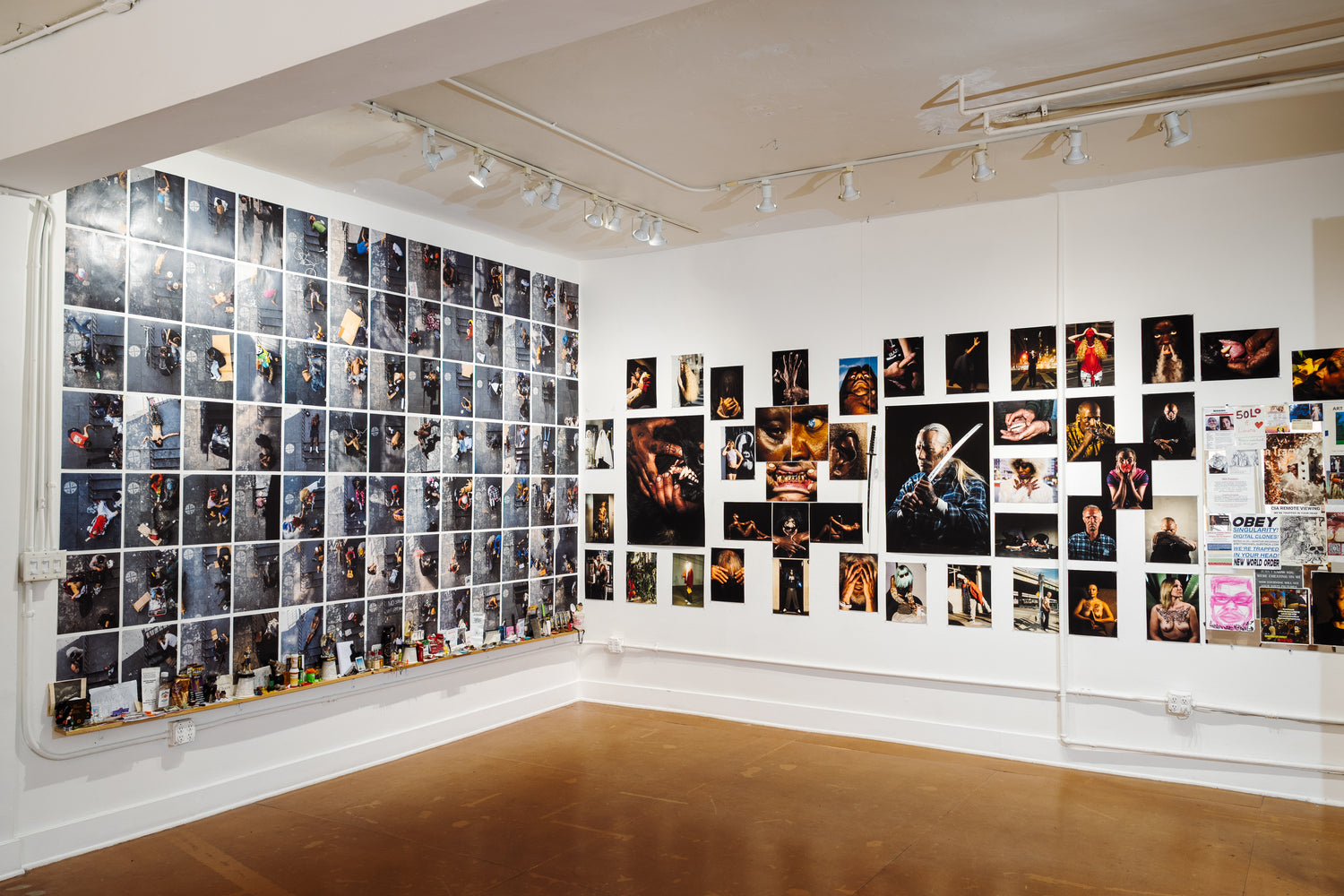
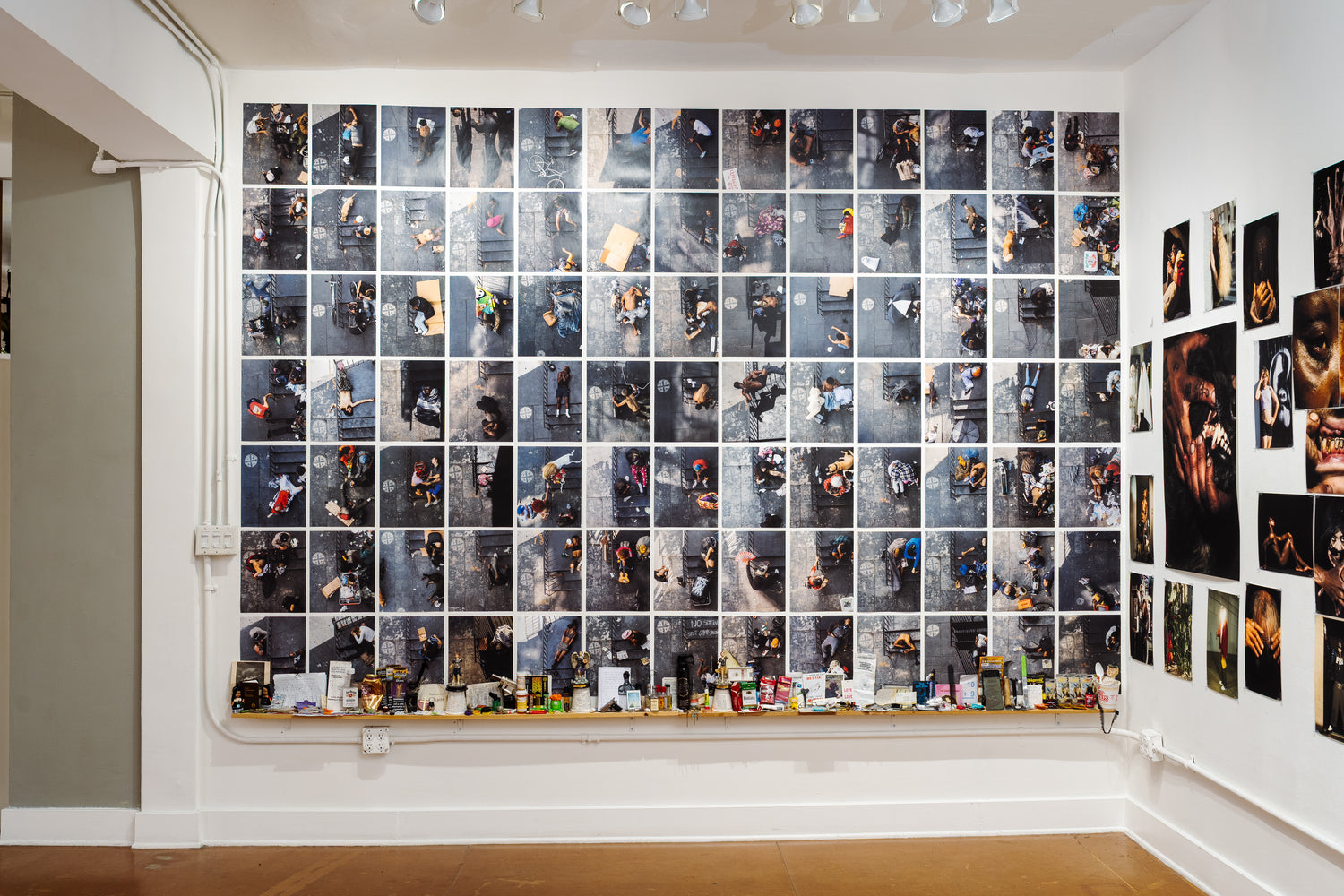
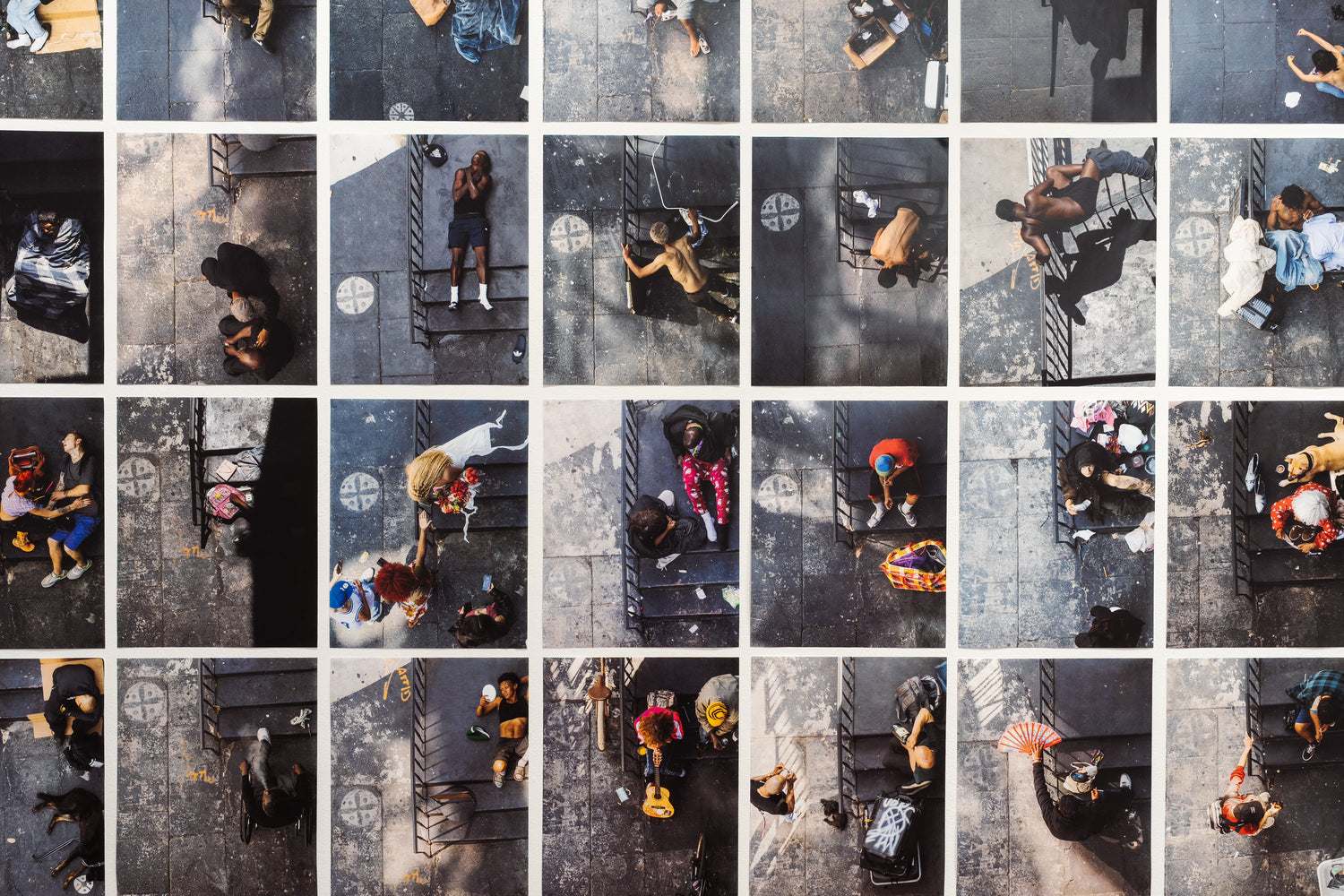

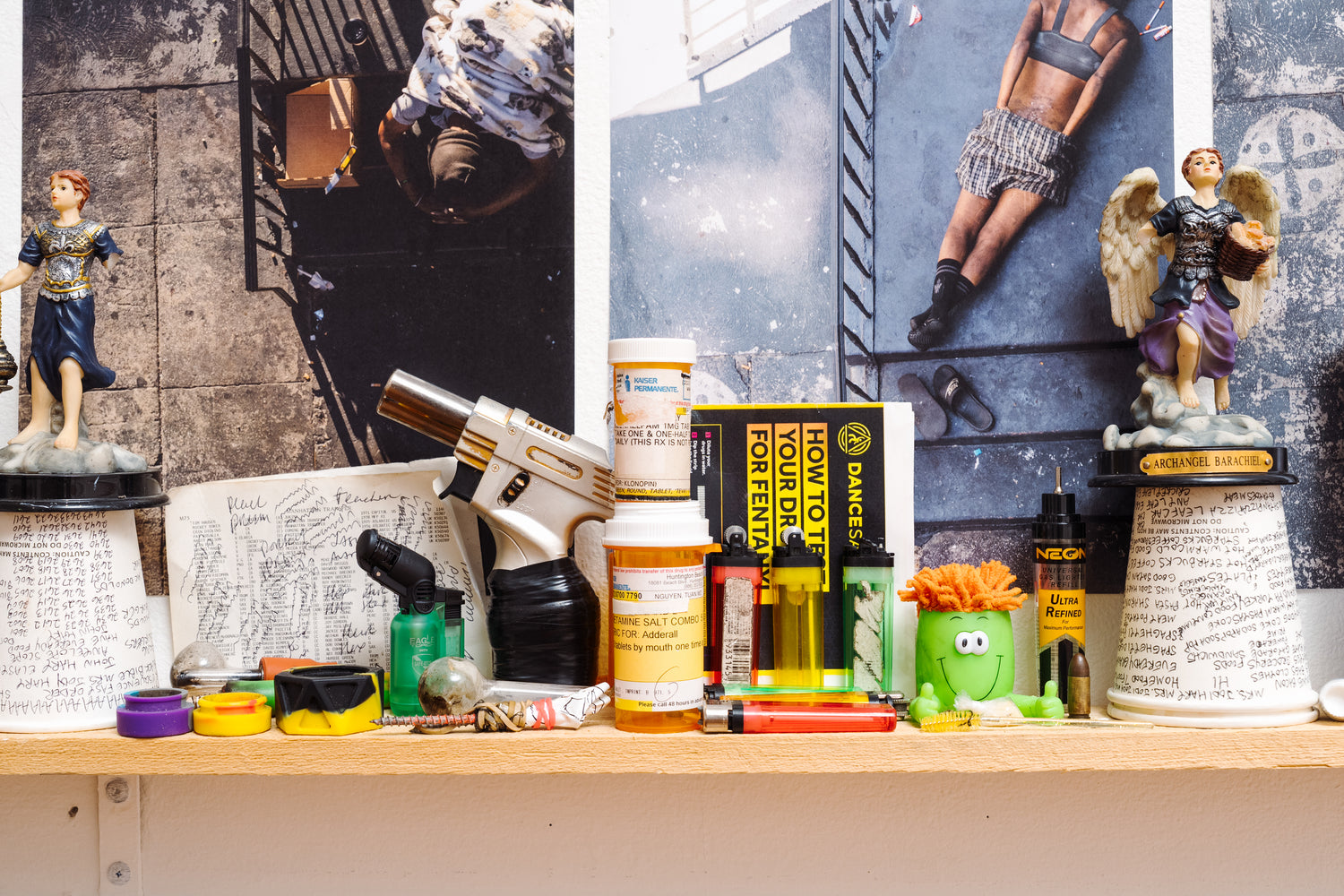

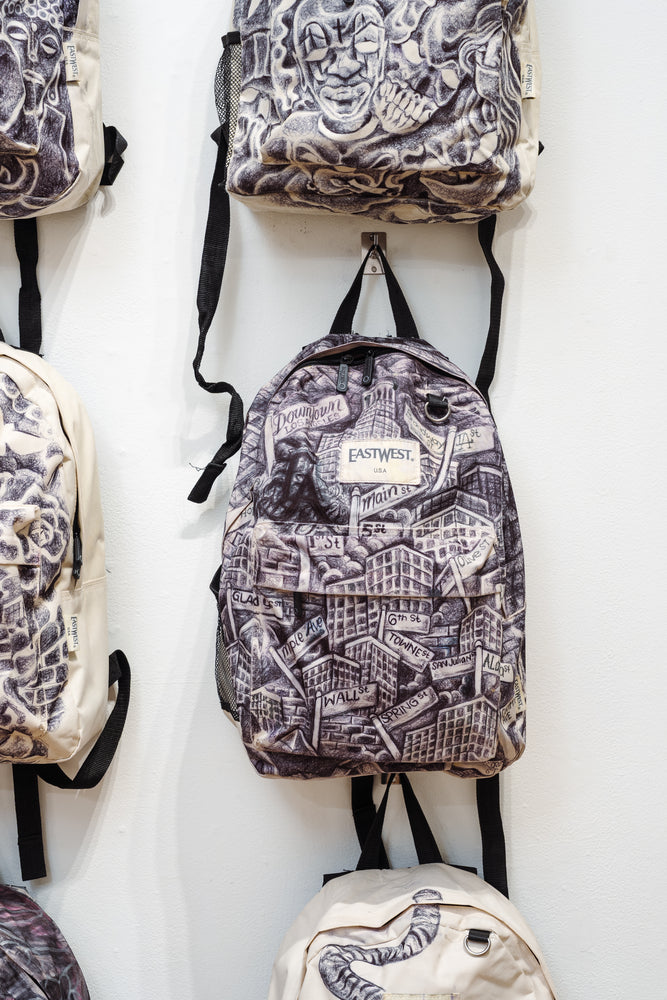
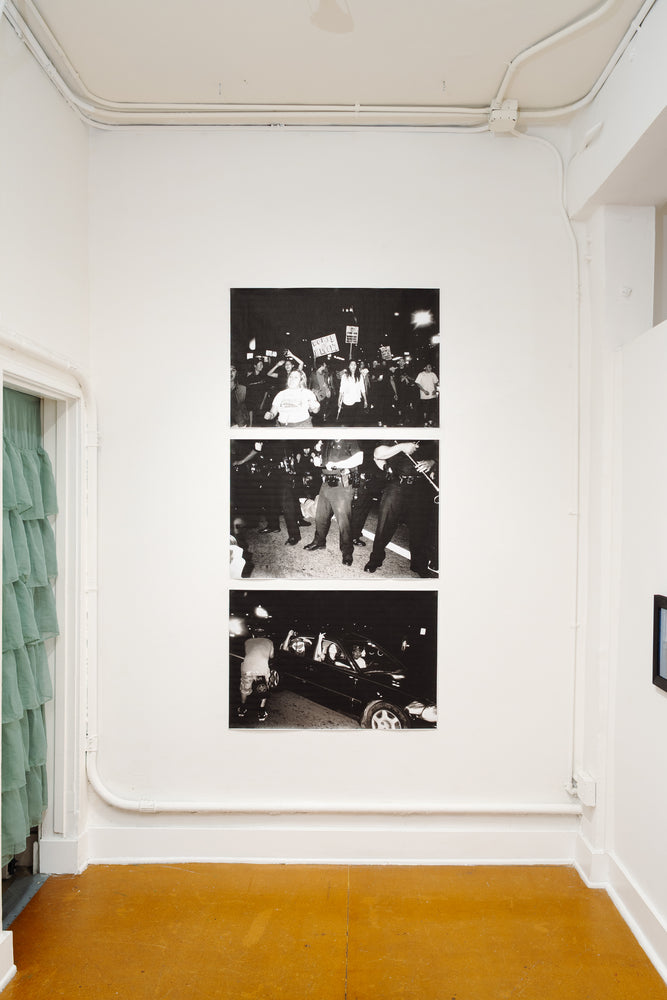
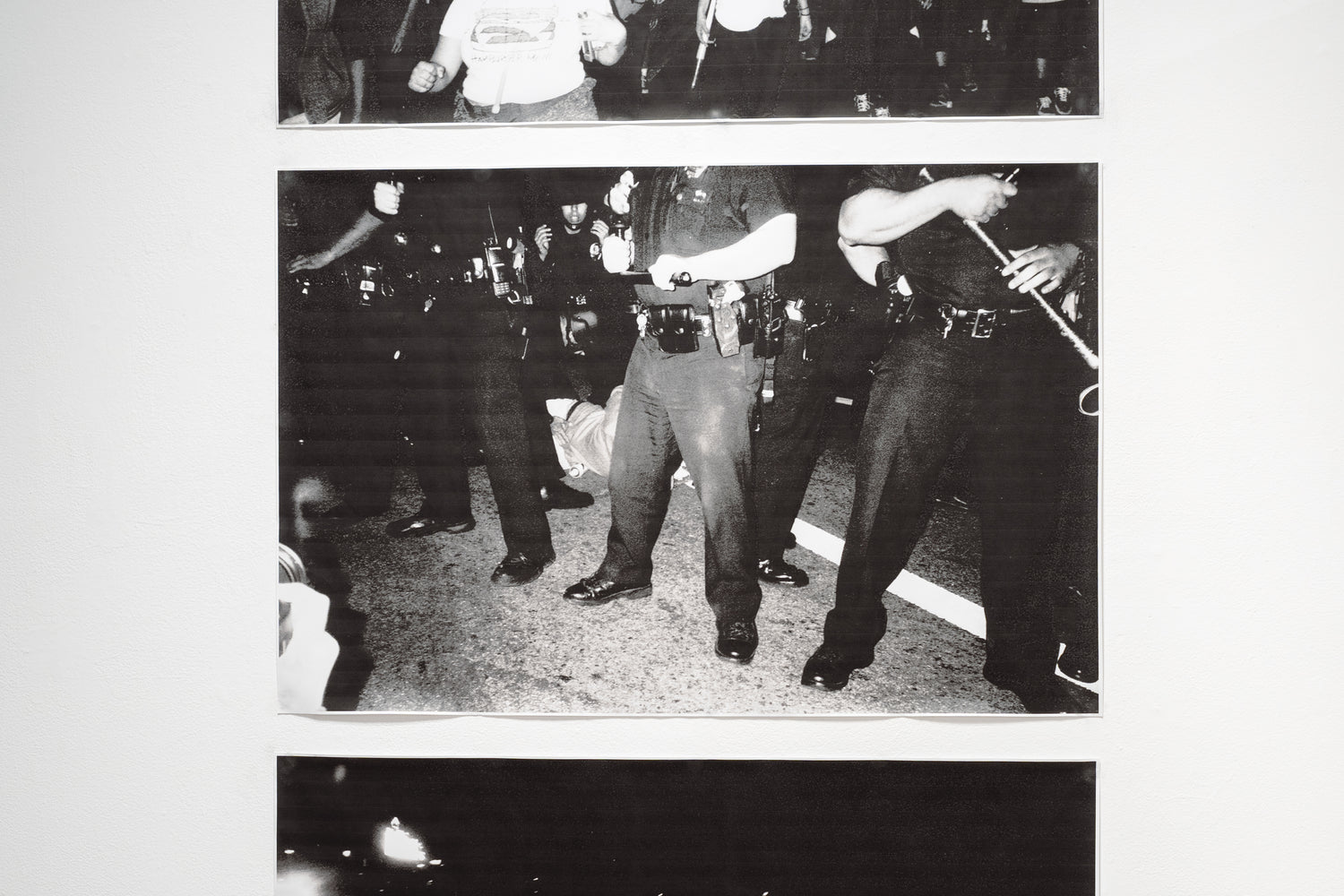
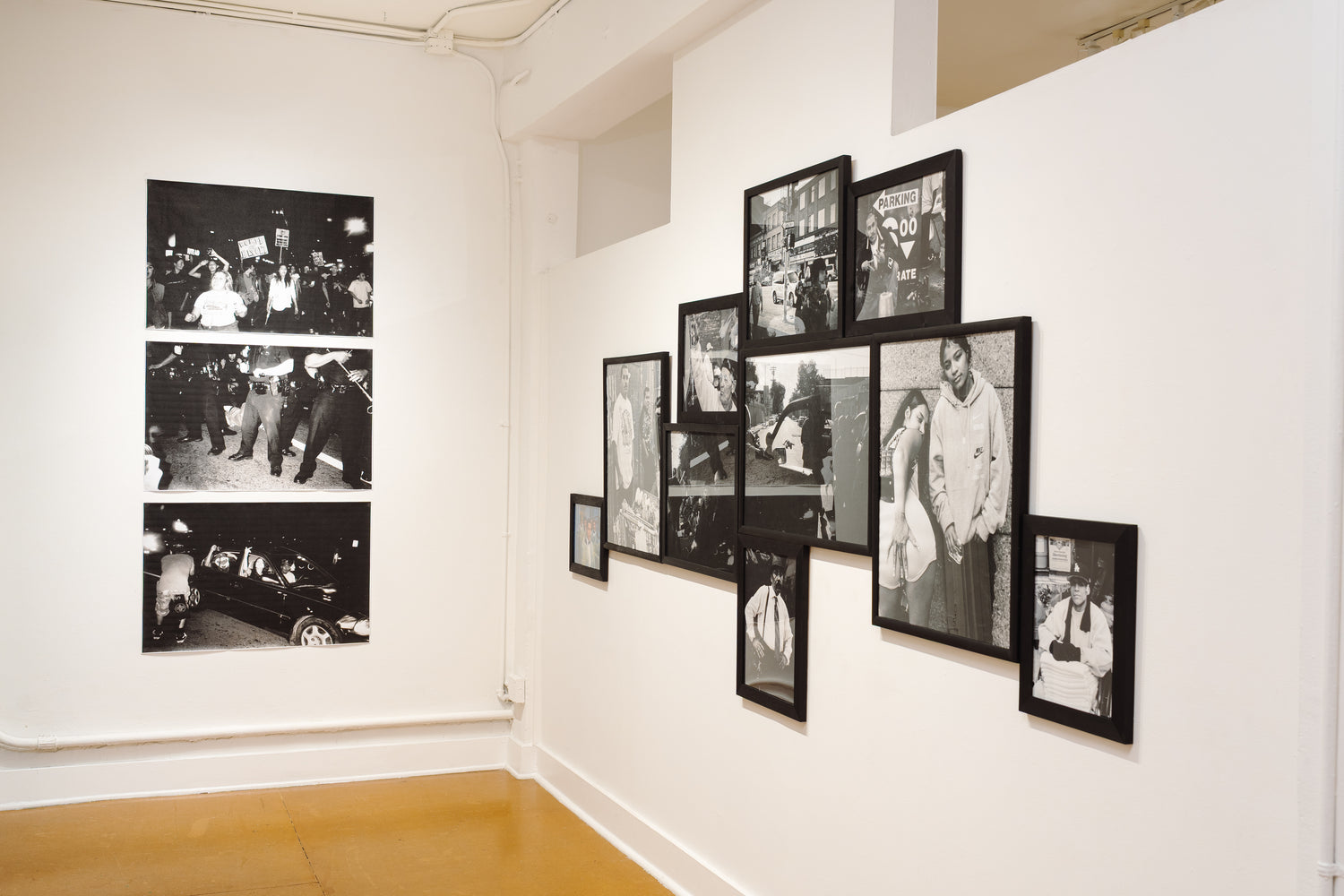
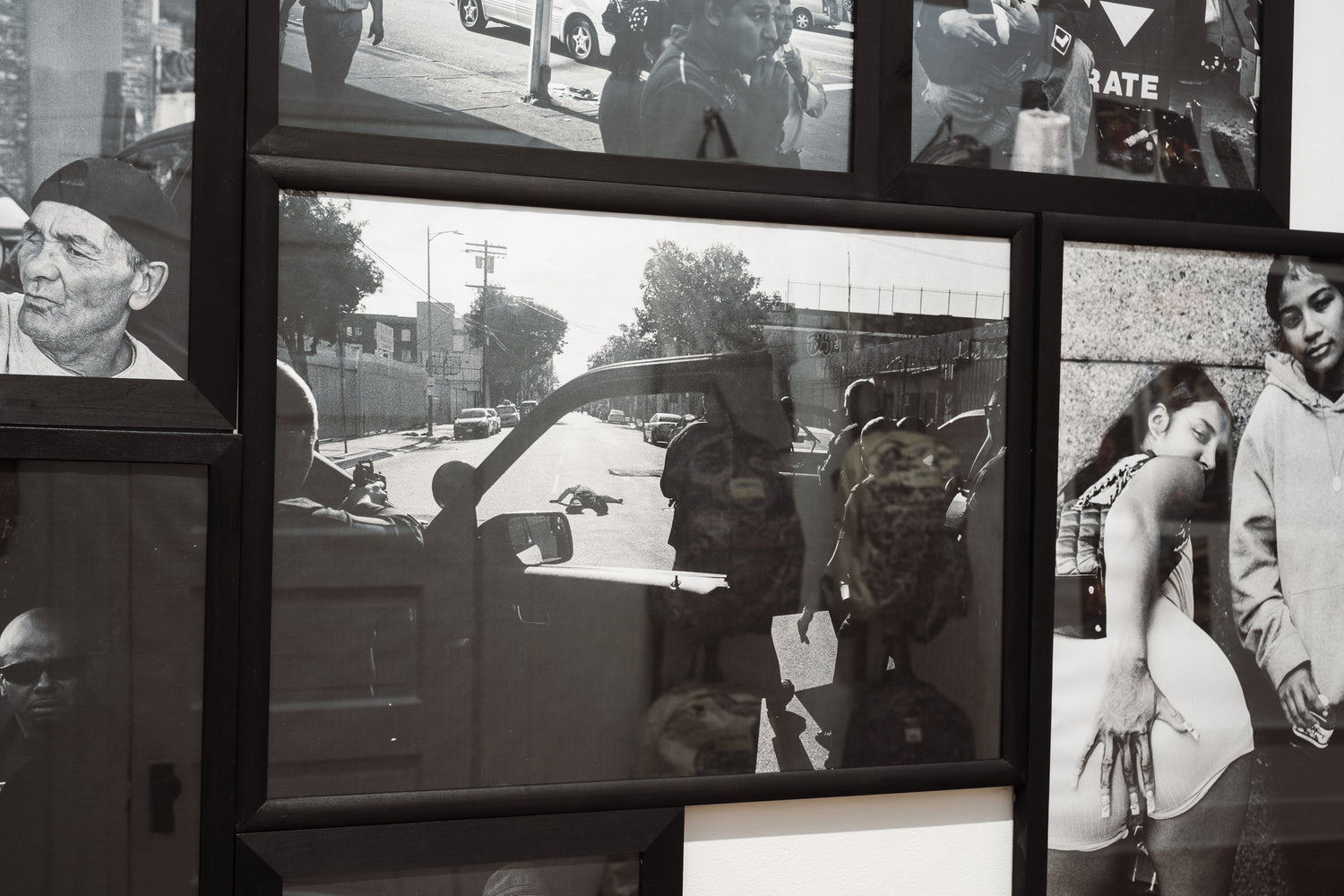
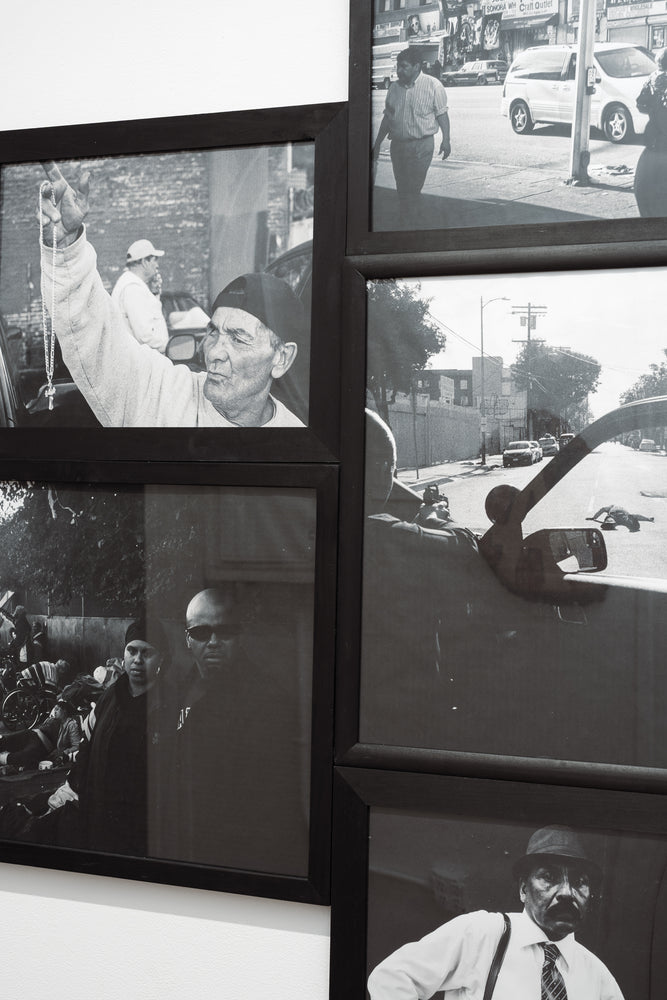
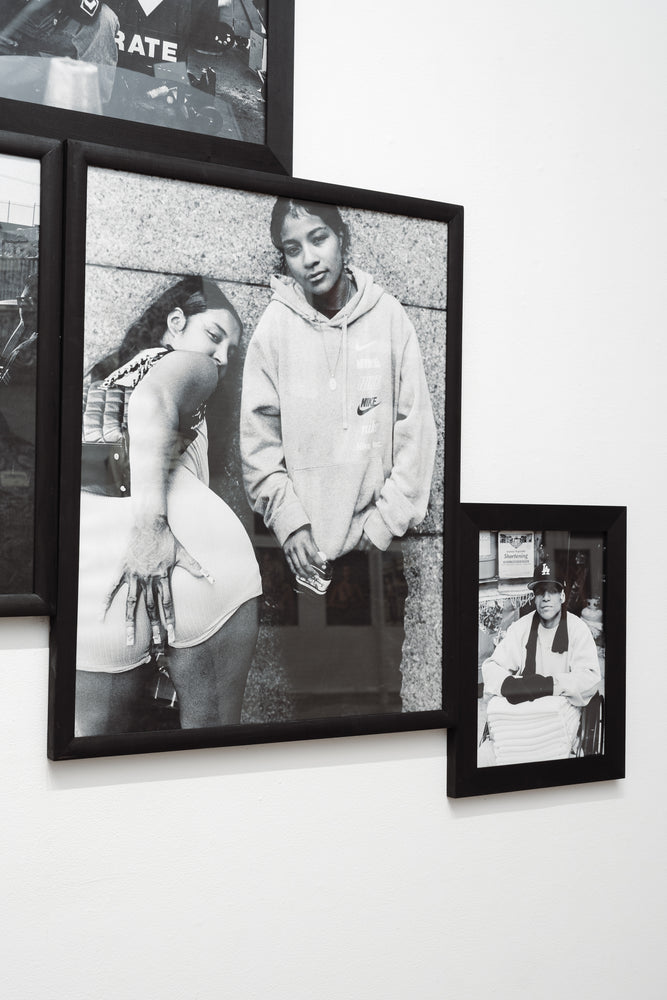
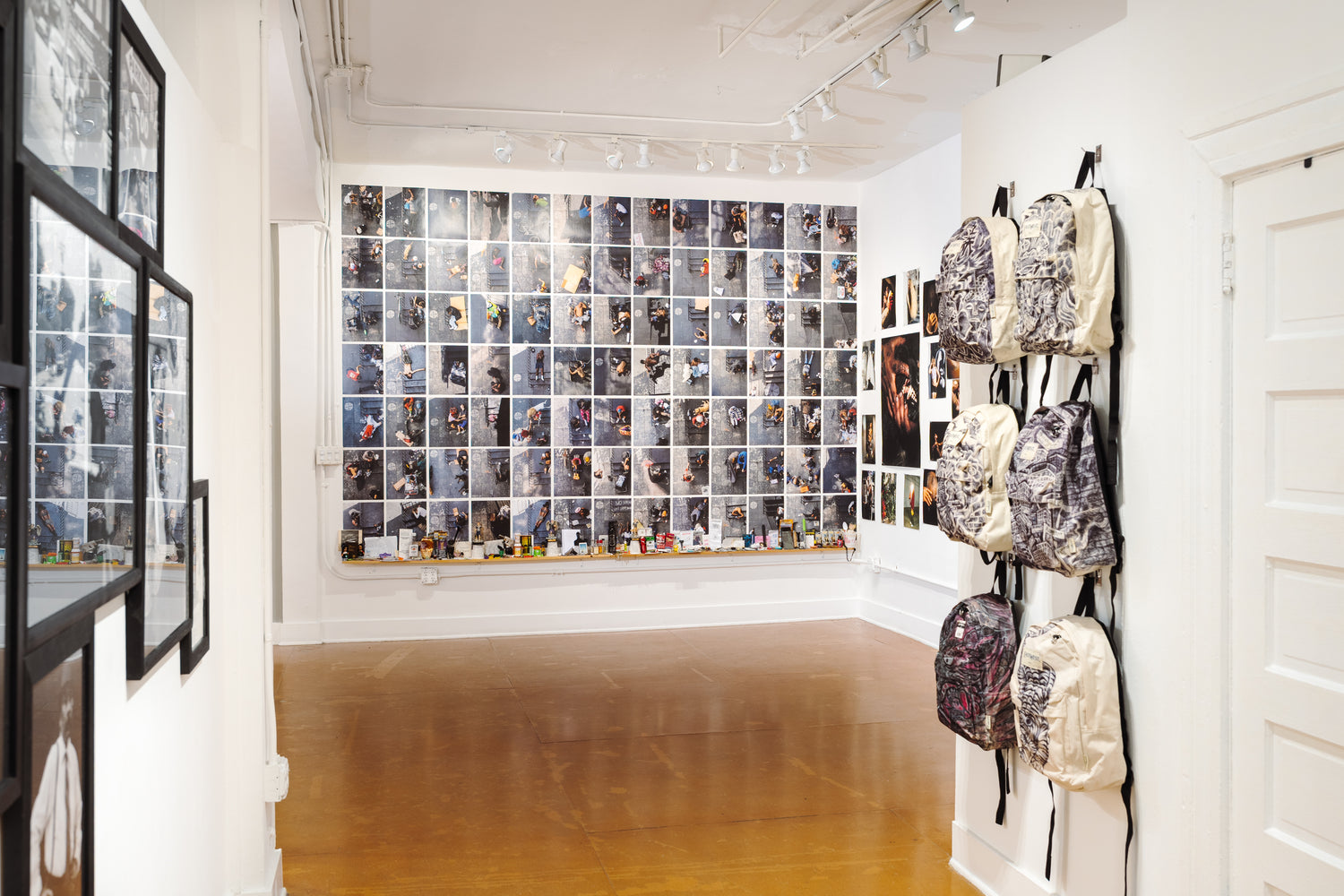
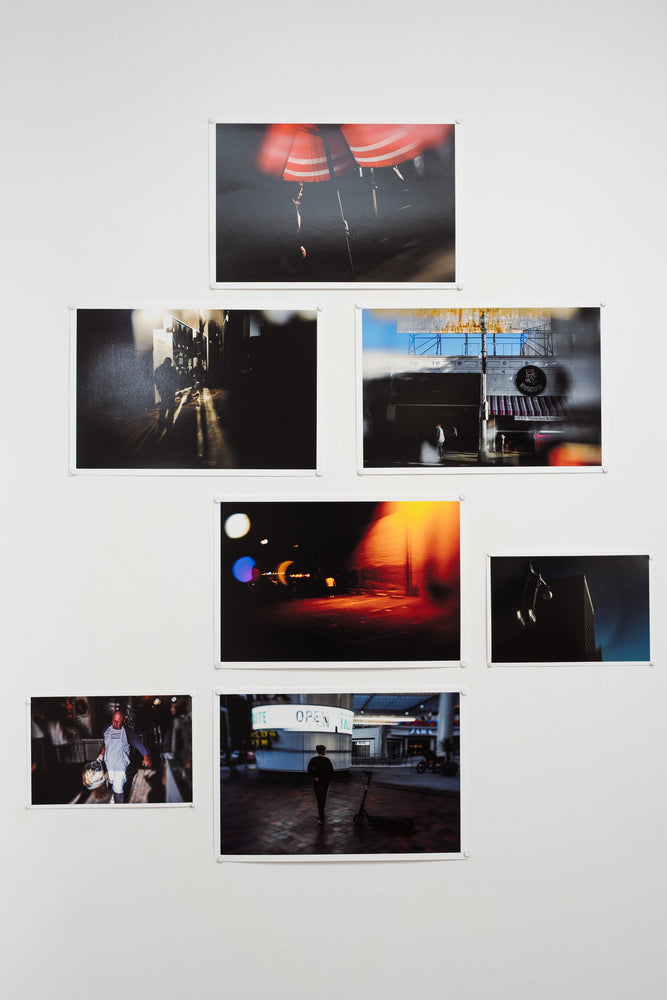
SURFACE TENSION | A Photographic Survey of Downtown Los Angeles
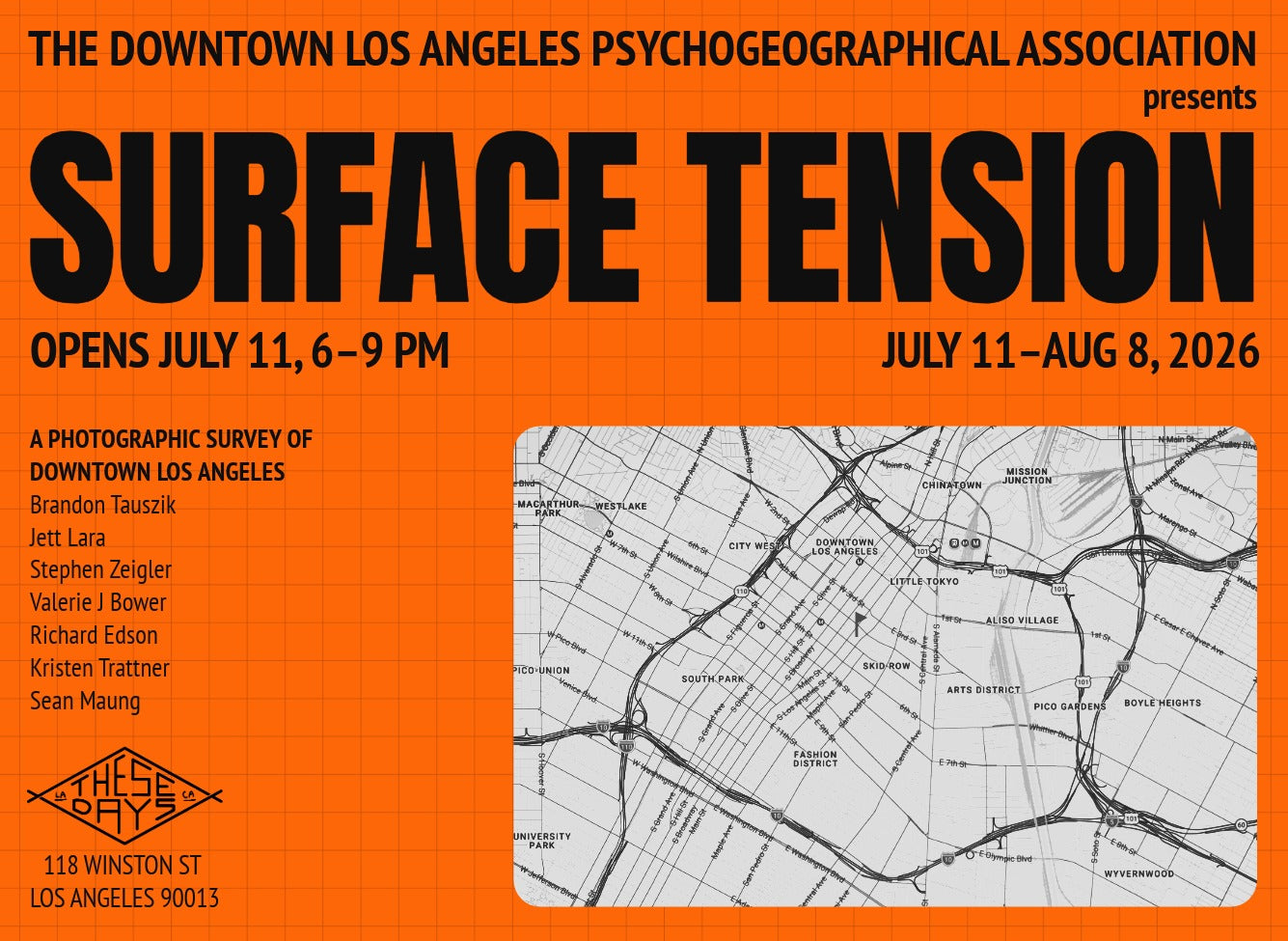
OPENING RECEPTION: Saturday, July 11, 6–9 PM
EXHIBITION: July 11 – August 8, 2026 (EXTENDED THROUGH AUG 29)
Works by:
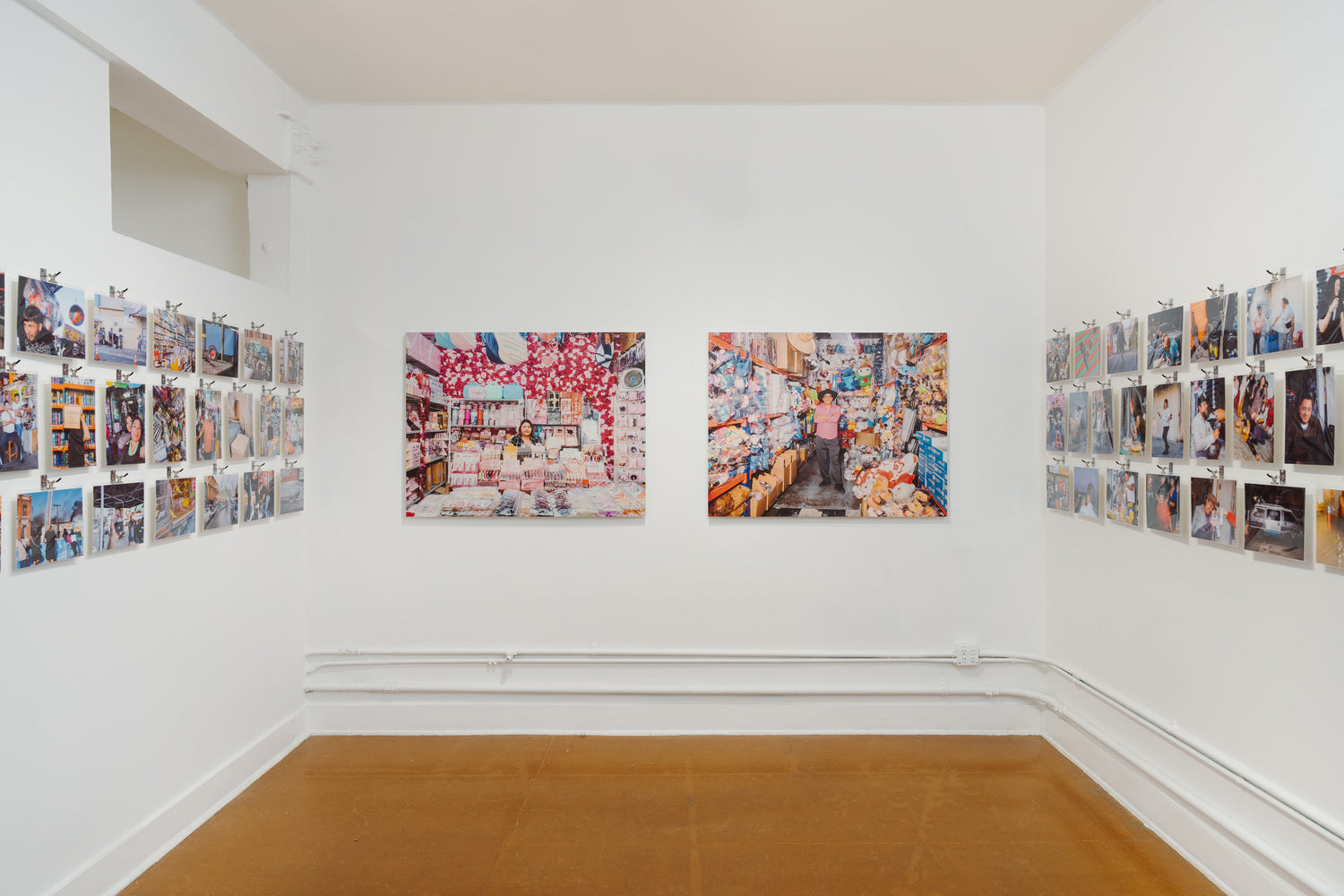
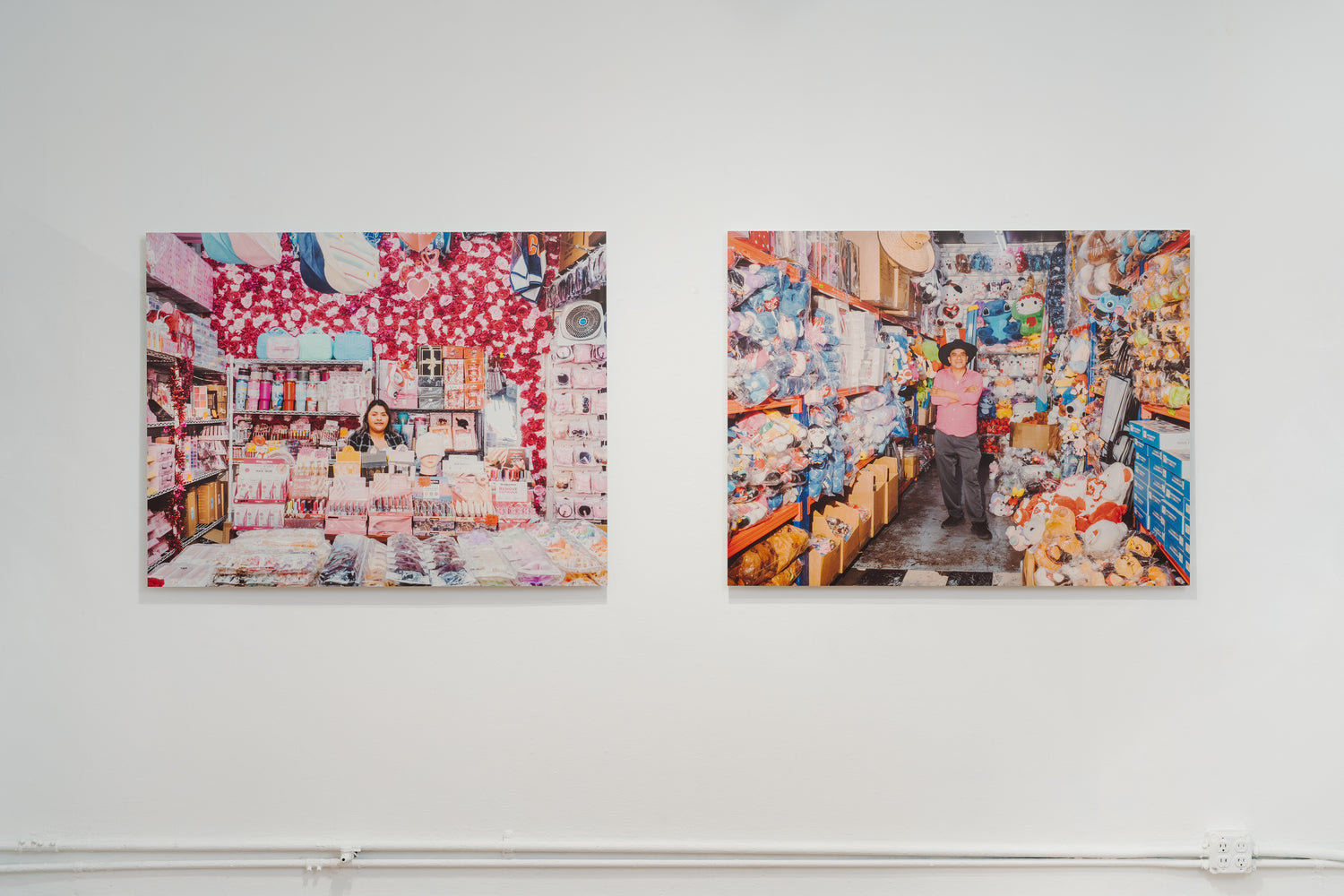
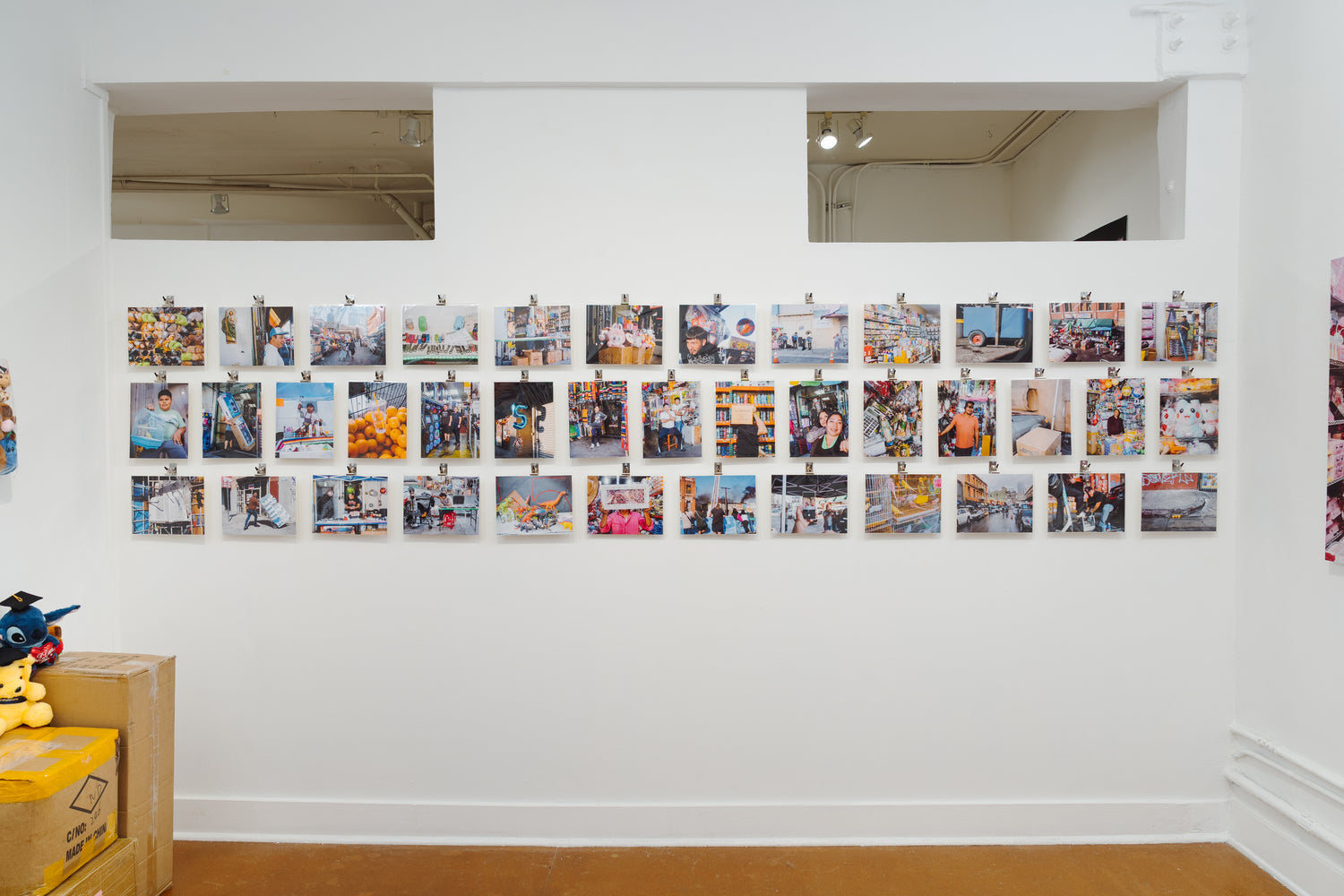
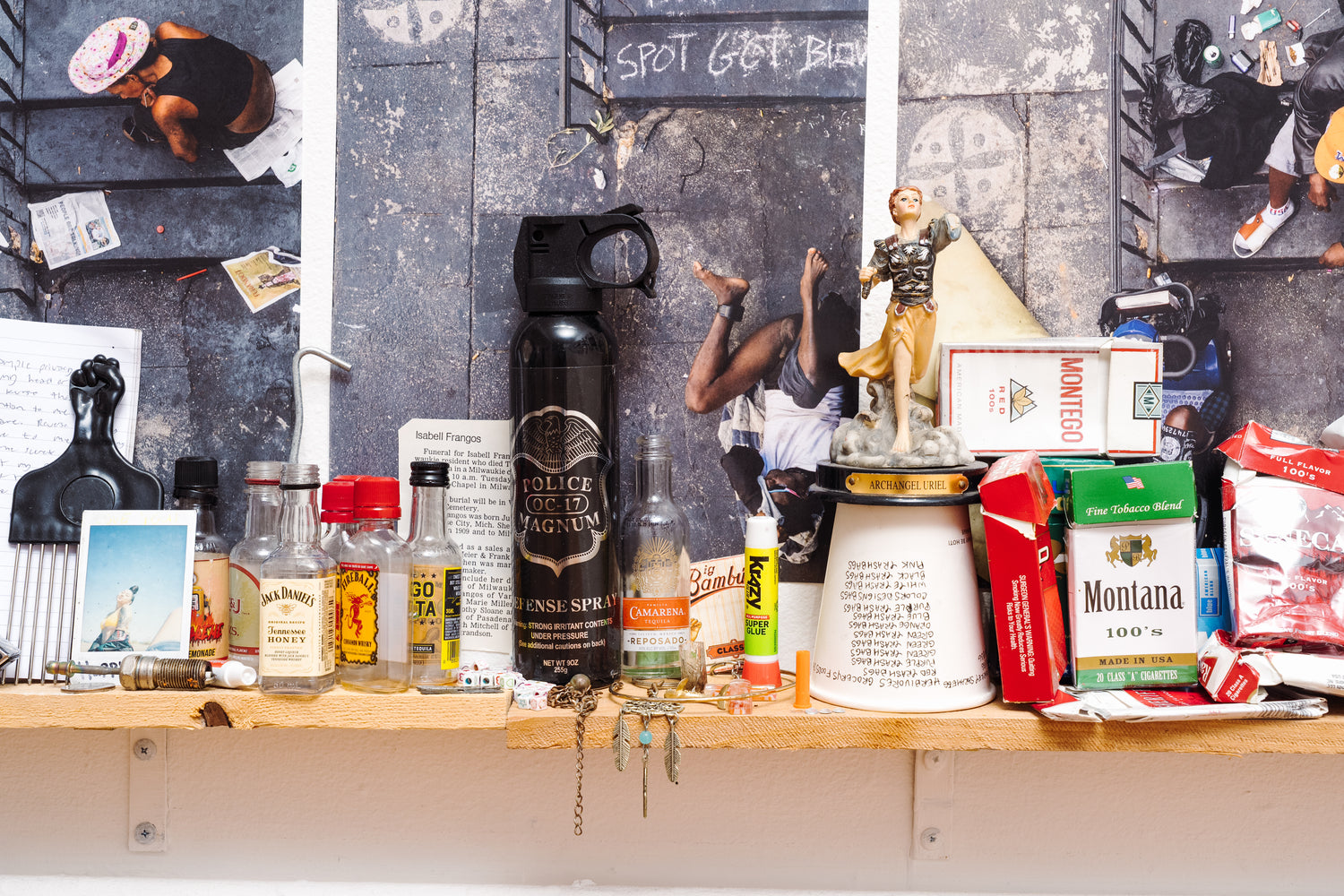
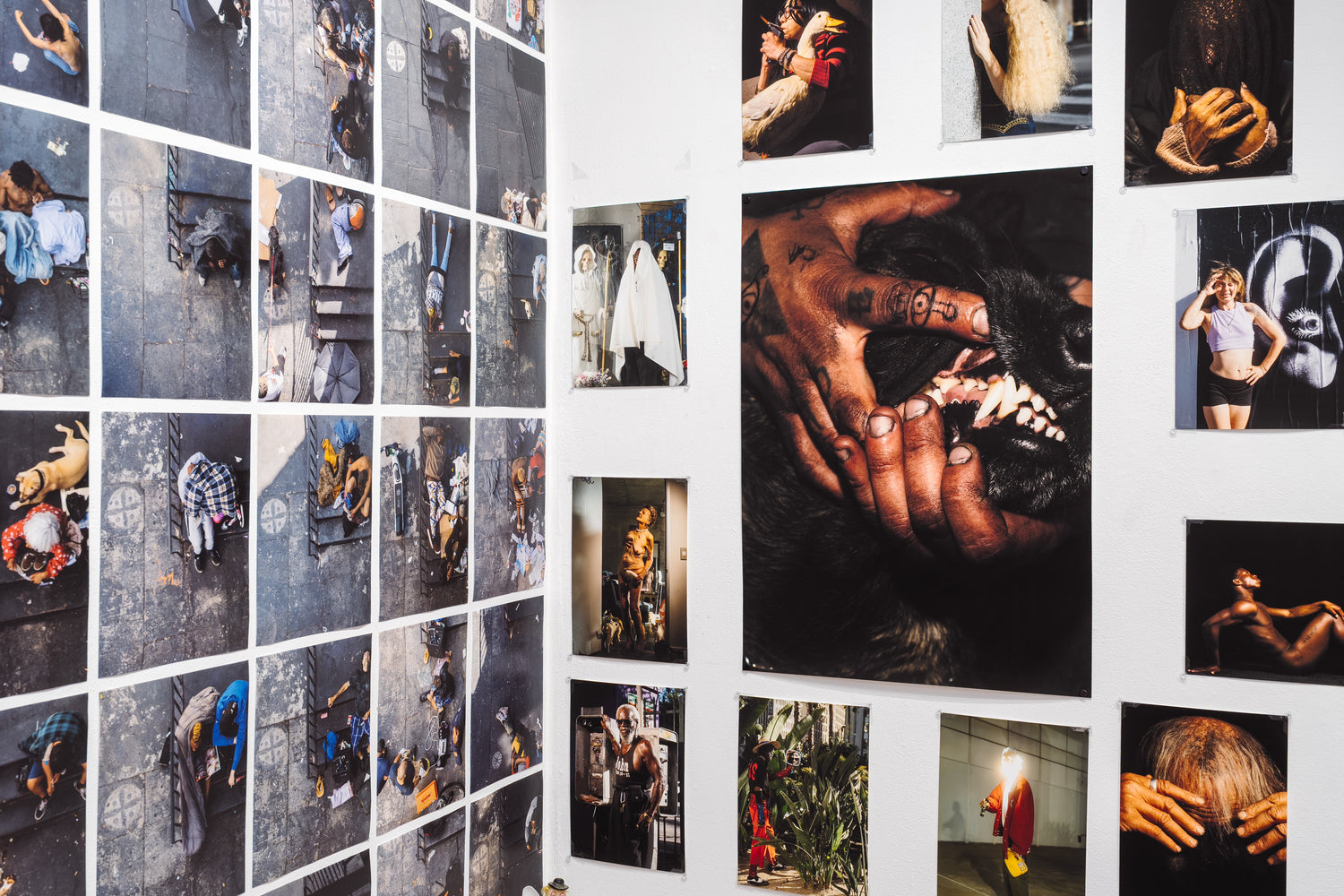
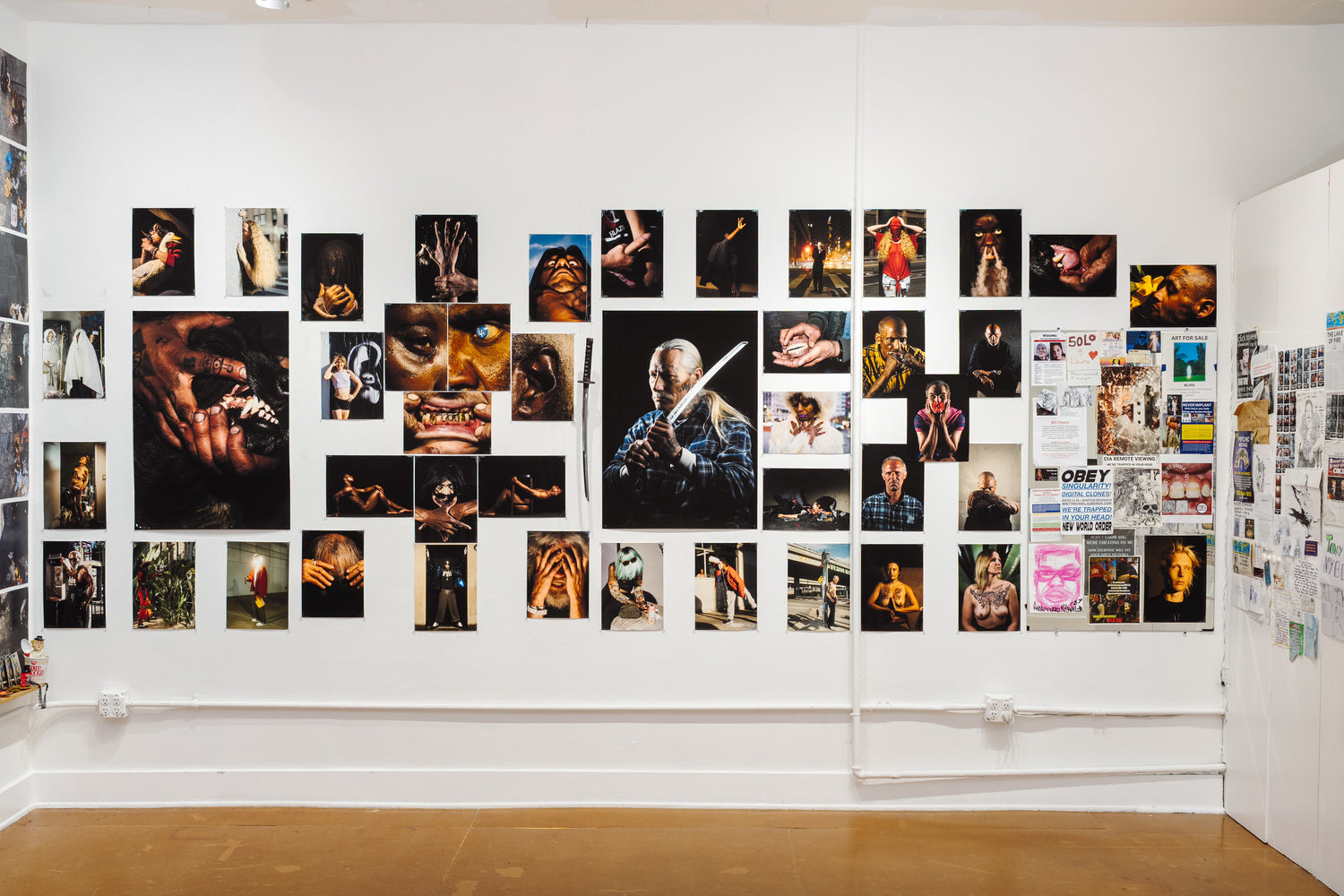
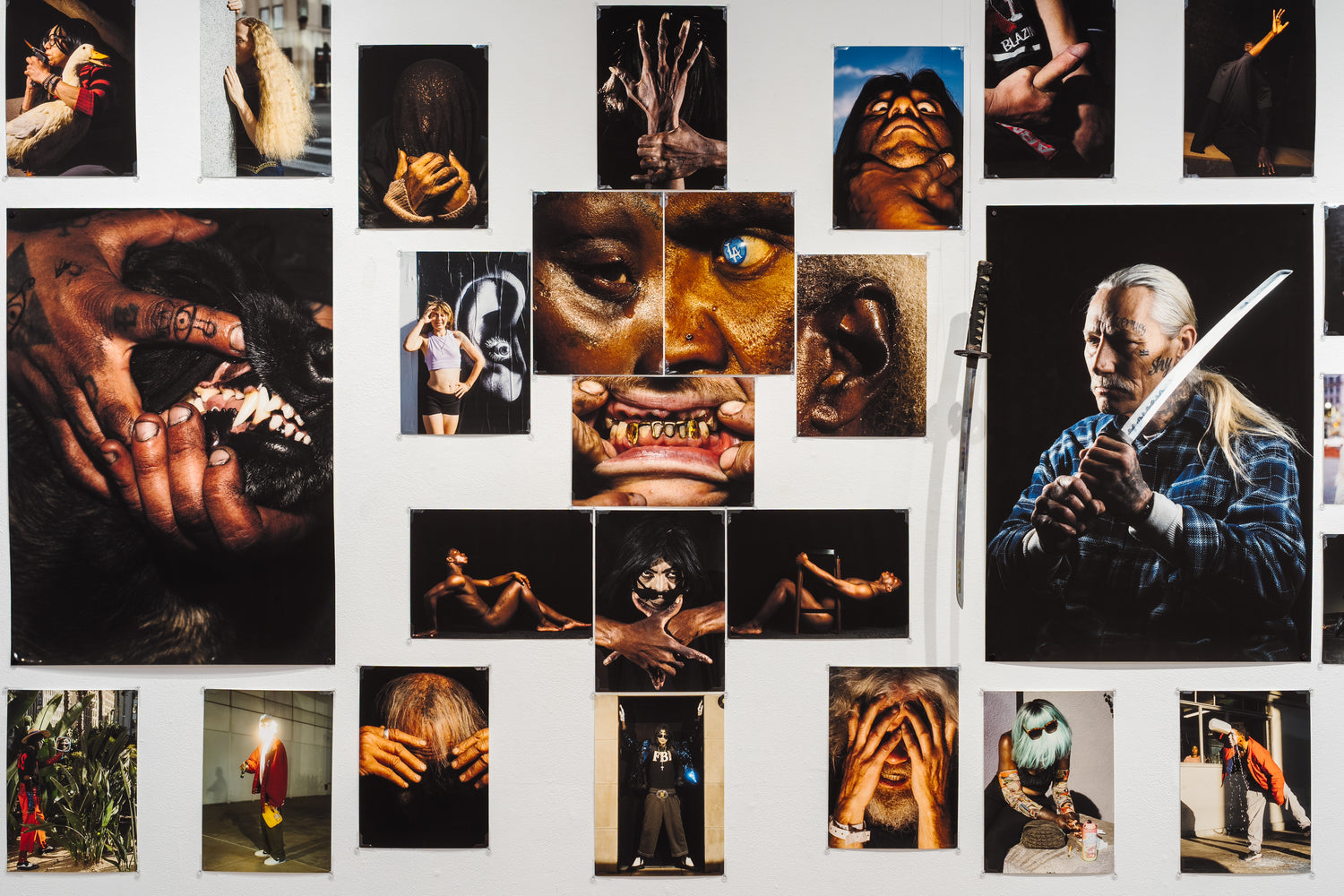
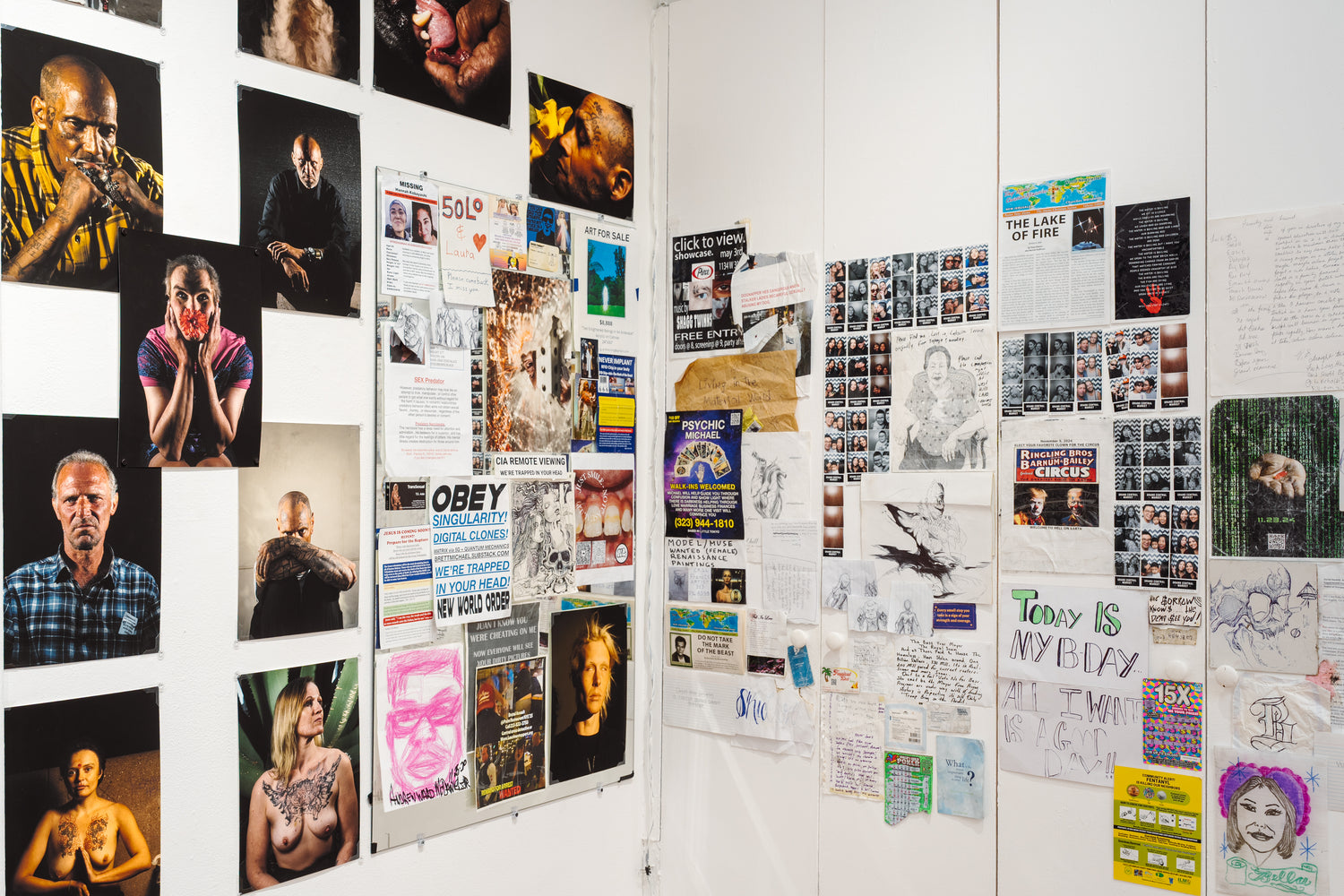
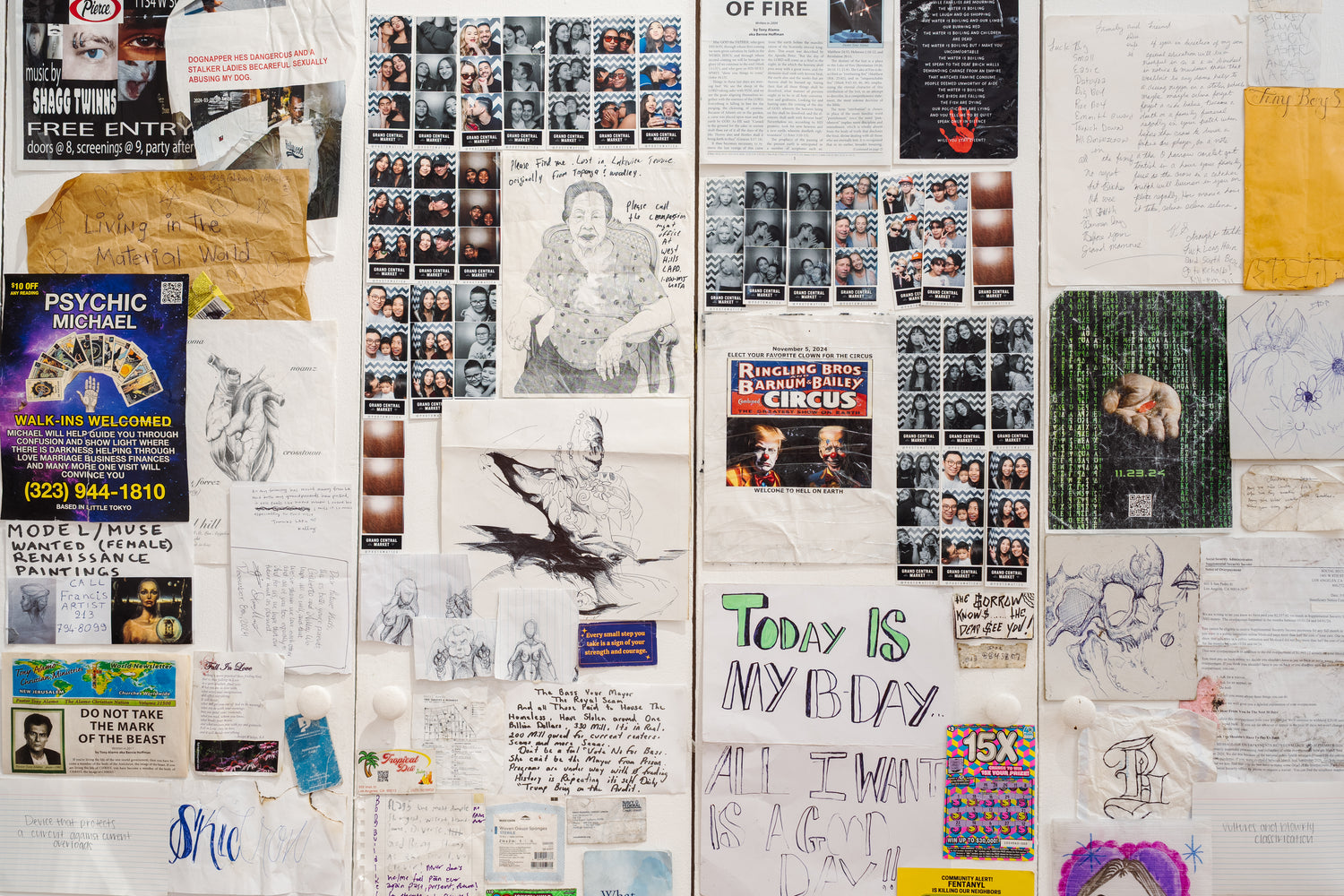
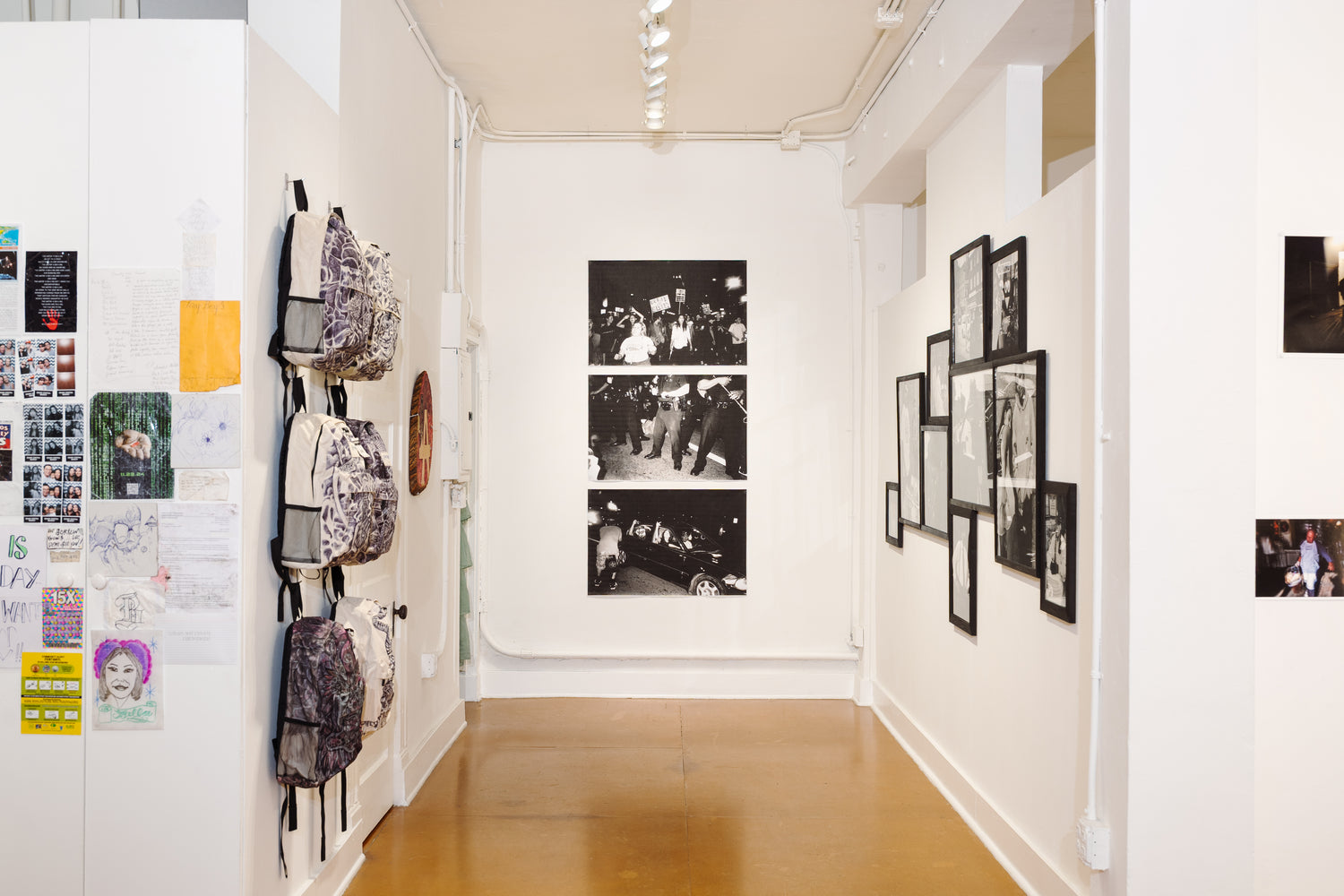
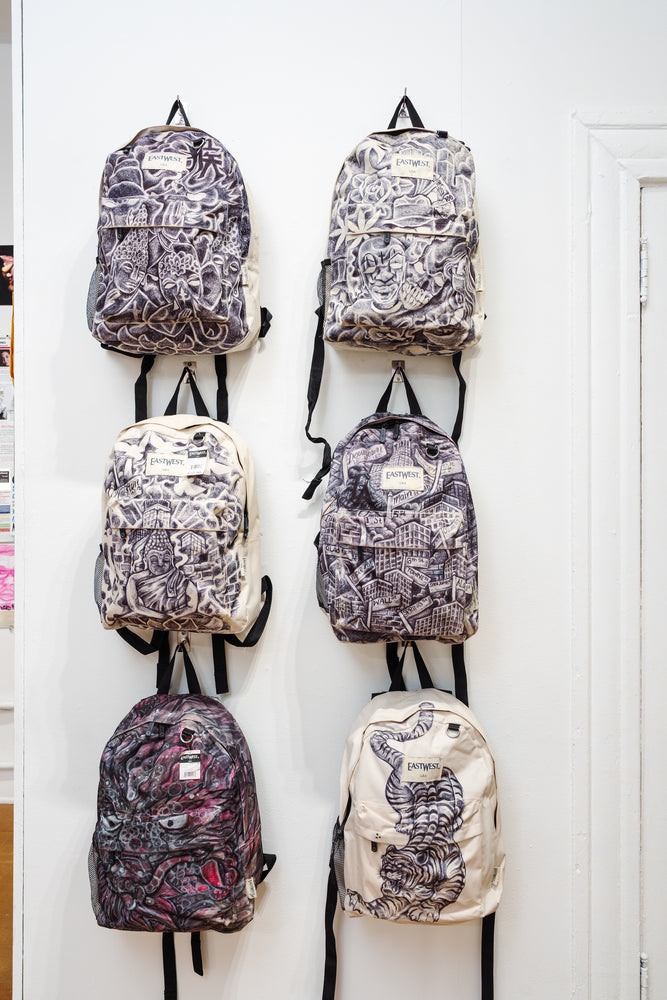
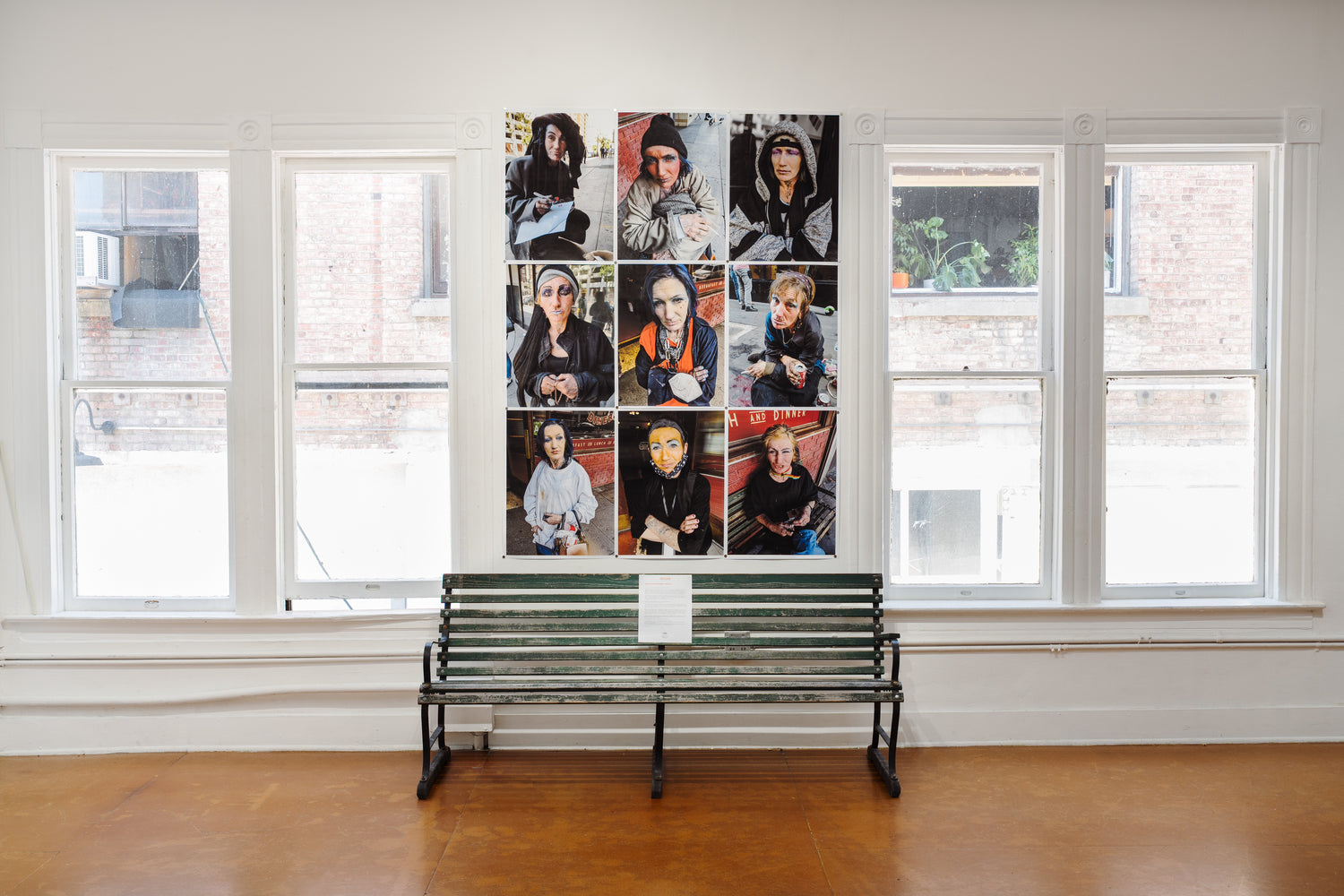
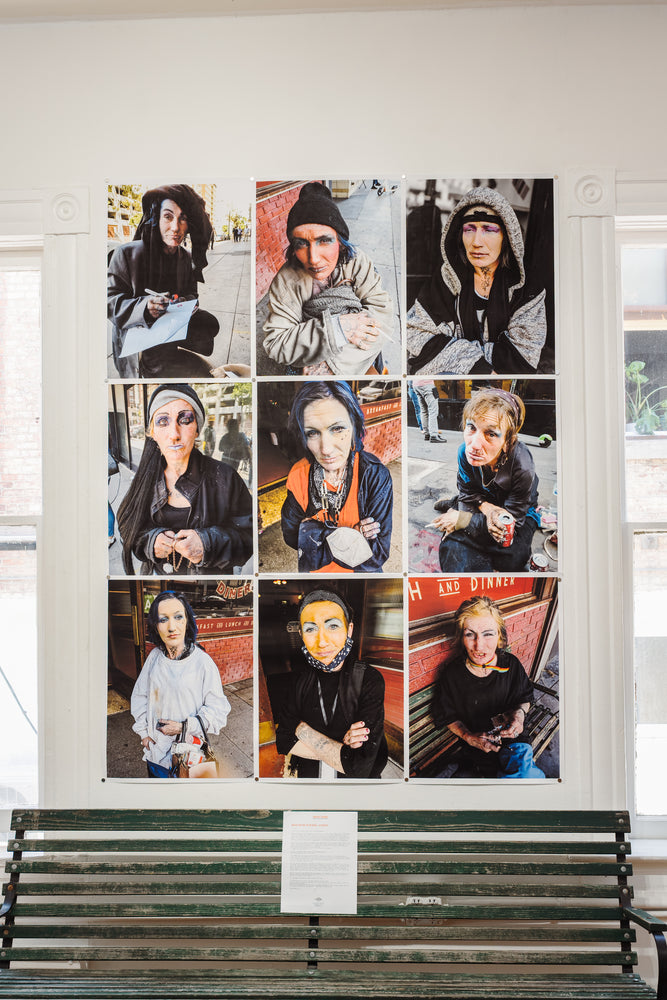
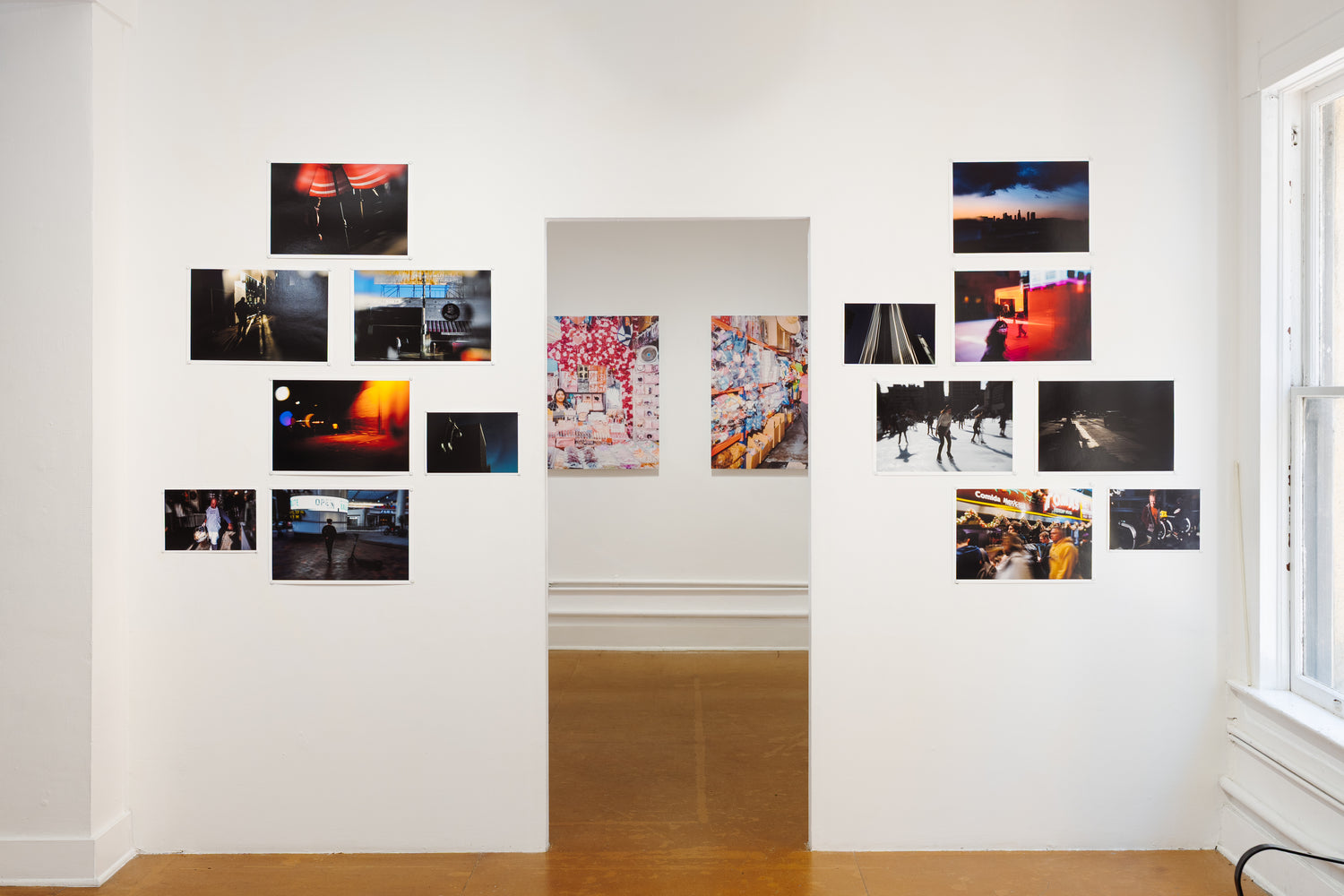
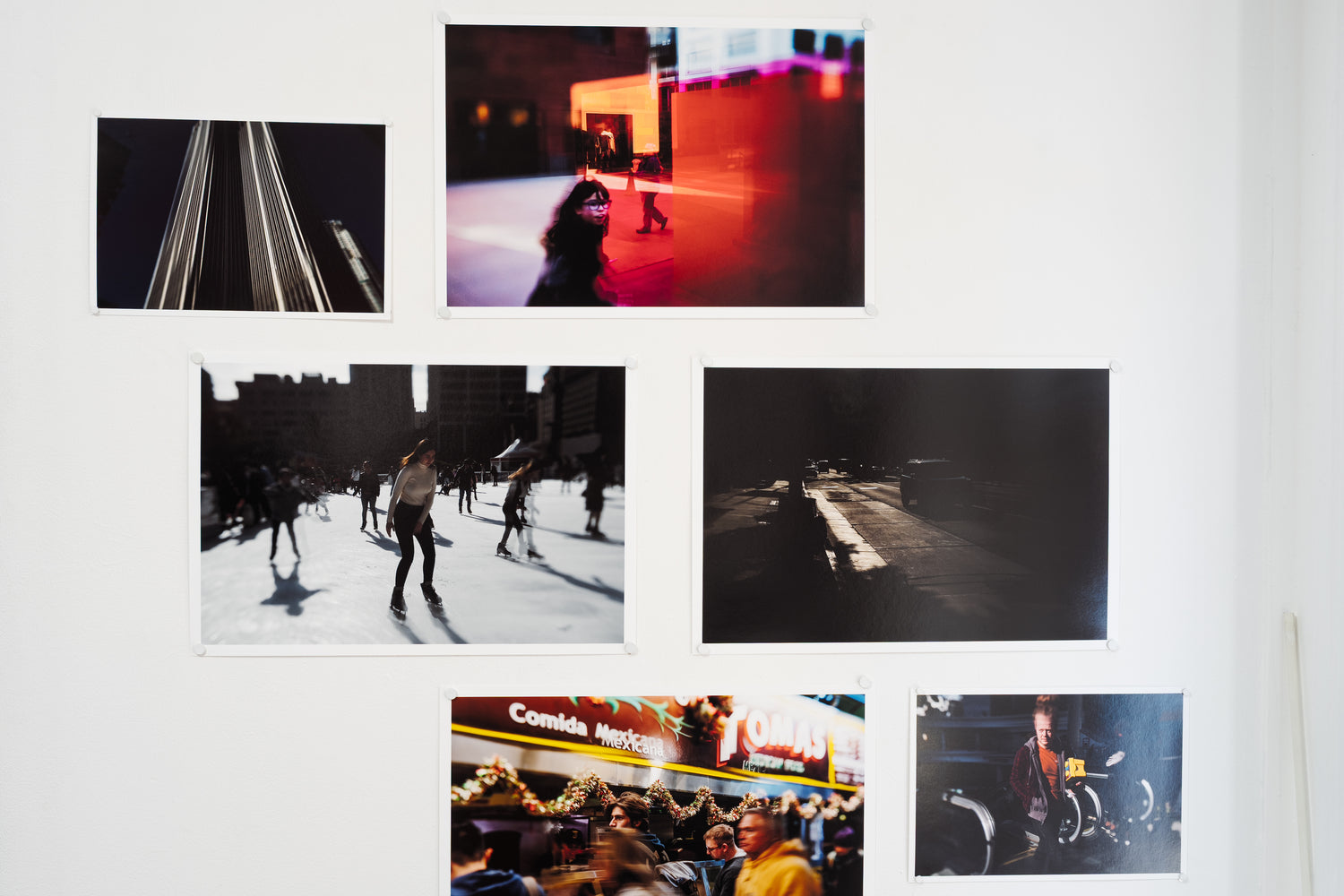
These Days is pleased to partner with the Downtown Los Angeles Psychogeographical Association to present Surface Tension, a photographic inquiry into Downtown Los Angeles as both a physical site and a psychic condition. Bringing together the work of seven photographers, the exhibition considers DTLA not as a fixed urban subject to be documented, but as a contested field of perception—one shaped by proximity, contradiction, memory, speculation, and lived experience. The participating artists approach the city’s center through distinct visual languages, each producing a kind of provisional “report” on the pressures, textures, and unresolved tensions that define contemporary downtown life.
Taken together, these reports resist the flattening effect of any single civic narrative. Instead, Surface Tension presents Downtown Los Angeles as a place of continual contradiction–a place repeatedly subject to projection, dismissal, reinvention, and critique. Frequently misunderstood and maligned, DTLA has been described in terms ranging from “a shit hole” to “vibrant” to “visceral,” and, more recently, in a report by The Gensler Research Institute, as “one of the deadest downtowns in the world.” The exhibition does not seek to resolve these contradictions so much as inhabit them, asking what kinds of images emerge from a place that is at once overdetermined and still profoundly unsettled.
For These Days, which has called Downtown Los Angeles home for the last 13 years, this inquiry is also personal. Surface Tension emerges from sustained proximity to a neighborhood whose frictions are not abstract, but daily and immediate. In this sense, the exhibition operates less as a definitive portrait than as an accumulation of encounters, observations, and psychic residues—an attempt to register the city not only as it appears, but as it is felt. –These Days
A Brief History of the DTLAPA
The Downtown Los Angeles Psychogeographical Association (DTLAPA) was established in 1963 by Leonard “Lenny” Kaplan, a photographer and intermittent performance artist whose practice was deeply informed by the tenets of psychogeography. Kaplan’s formative years in the Los Angeles suburb of Cheviot Hills, as the only child of Richard and Meredith Kaplan, shaped his artistic sensibility. Richard, a surgeon and amateur painter with Marxist inclinations, and Meredith, a former nurse and political activist turned homemaker, fostered an environment conducive to creative exploration. At 17, Kaplan was accepted to the Sorbonne to study painting but withdrew after one semester, critiquing the institution as insufficiently radical and overly bourgeois. Seeking an authentic bohemian milieu absent in Los Angeles, Kaplan remained in Paris, apprenticing as a milliner and immersing himself in the city’s urban landscape through photographic documentation of its architecture. In 1957, a chance encounter with Guy Debord—a seminal figure in the development of psychogeographical theory—at a Parisian café catalyzed Kaplan’s engagement with the practice. This meeting marked the genesis of a lifelong commitment to the psychogeographical investigation of urban environments.
Subsequently, Kaplan and Debord traveled to Brussels, where they connected with Ralph Rumney, founder of the London Psychogeographical Association, during the inaugural exhibition dedicated to psychogeography. This event introduced Kaplan to the theoretical and methodological frameworks of psychogeographical praxis, which he swiftly adopted. His participation in the Letterist International and later the Situationist International positioned him as the sole American member during that period. Kaplan’s immersion in the European avant-garde was curtailed by his arrest for opium possession, resulting in an 18-month incarceration at La Santé Prison and eventual expulsion from France in 1961.
Upon returning to Los Angeles, Kaplan resided in a downtown SRO and resumed employment as a milliner. He continued his psychogeographical dérives—unstructured, ambulatory explorations of the city’s neighborhoods, cafés, and bars—now documenting these experiences with a Leica 35mm camera inherited from his late father. Developing his photographic work in the communal bathroom of his residence, Kaplan became enmeshed in the social fabric of Downtown Los Angeles. His collaboration with poet and petty criminal Ivan Benjamin, whom he met at the King Edward Saloon, led to the production of chapbooks that synthesized photographic imagery and literary text, embodying the interdisciplinary ethos of psychogeography. The third chapbook, published in 1963, marked the inaugural use of the Downtown Los Angeles Psychogeographical Association as a formal attribution. This publication, now a rarity, focused on Skid Row and featured contributions from architect Louis Tremour and sociologist Isabel Quinos, alongside Kaplan’s visual and Benjamin's poetic works. Subsequent chapbooks, issued biannually, each examined distinct geographies of Downtown Los Angeles, with a growing cohort of artists, writers, and political activists contributing psychogeographical “reports” and “surveys.” Official DTLAPA meetings were convened bimonthly in the dining hall of Clifton’s Cafeteria, further institutionalizing the collective’s activities.
In total, ten reports were published, with the final installment released shortly before Kaplan’s untimely death in May 1968. These publications collectively constitute a significant body of psychogeographical inquiry, mapping the affective and material contours of urban space through interdisciplinary collaboration.
Kaplan’s legacy has exerted a profound influence on the artistic and intellectual underground of Los Angeles. Notably, arts writer and critic Kathi Norklum—recognized as the sole private collector of the complete DTLAPA series—launched Spectacle: A Field Journal from Los Angeles in 1984, a publication devoted to the critical and cartographic examination of Southern California’s cultural and spatial dynamics. Featuring contributions from figures such as Mike Kelley, Alex Cox, and Fred Tomaselli, Spectacle acknowledged Kaplan as a pivotal influence. The journal’s brief run of three issues (1984–1985) underscores the enduring resonance of psychogeographical approaches in the region’s artistic discourse.
In 2006, the DTLAPA was revived by a collective of Los Angeles-based photographers committed to the psychogeographical exploration of Downtown Los Angeles. With a fluctuating and largely unofficial membership, the association has persisted in various forms over the past two decades, though without producing printed material. In 2026, Surface Tension, a catalogue and exhibition published and presented by These Days, marks the first official use of the DTLAPA designation since 1968, reaffirming Kaplan’s enduring position as a foundational figure and “spiritual leader” within the American psychogeographical movement.
–Stuart Sauvage, Author of When the Avant-garde Came to America and Marcel Duchamp in Los Angeles